Civil initiatives strongly condemn the repressive measures implemented by the state in Užice and demand the immediate release of seven citizens, including a student, a professor, a councilor and a lawyer, as well as other protest participants. We request the competent institutions to suspend further proceedings against them, as well as to urgently review the legality of the imposed detention measures.
Seven people were arrested for participating in the blockades organized throughout Serbia after June 28 – a legitimate form of civil protest. Among them are student Pavle Cicvarić, professor Branko Nikolić, lawyer and councilor Radovan Novaković, director of Libergraf Vladan Sinđić and several citizens. Today, they were remanded in custody for up to 30 days. Detention was ordered in absentia to the professor, who ended up in the hospital after his arrest. Instead of applying the laws, the state decided to punish them – with detention.
Such a decision grossly violates basic human rights, domestic laws and international standards. According to the current legislation, detention can be ordered only in exceptional cases – when there is reasonable suspicion that a person will escape, repeat the crime or influence witnesses. None of that has been proven. The decision to detain seven citizens is against the Constitution of the Republic of Serbia, Articles 9 and 19 of the International Covenant on Civil and Political Rights, as well as the practice of the European Court of Human Rights. Detention must not be a means of intimidating citizens.
The political message of this behavior is also clear: the regime is trying to intimidate all social groups that show resistance. Those arrested are not hooligans – they are people who represent the pillars of a society: education, law, local democracy, critical thought and active citizenship. By imprisoning them, the state is imprisoning the idea that citizens have the right to protest, express and act freely.
We call on the Delegation of the European Union, the OSCE mission and all international organizations that advocate for human rights to make an urgent announcement regarding this case. At a time when Serbia claims to share European values, it must not apply an authoritarian form of government.
The whole company is in custody in Užice. And that’s why we won’t be silent.
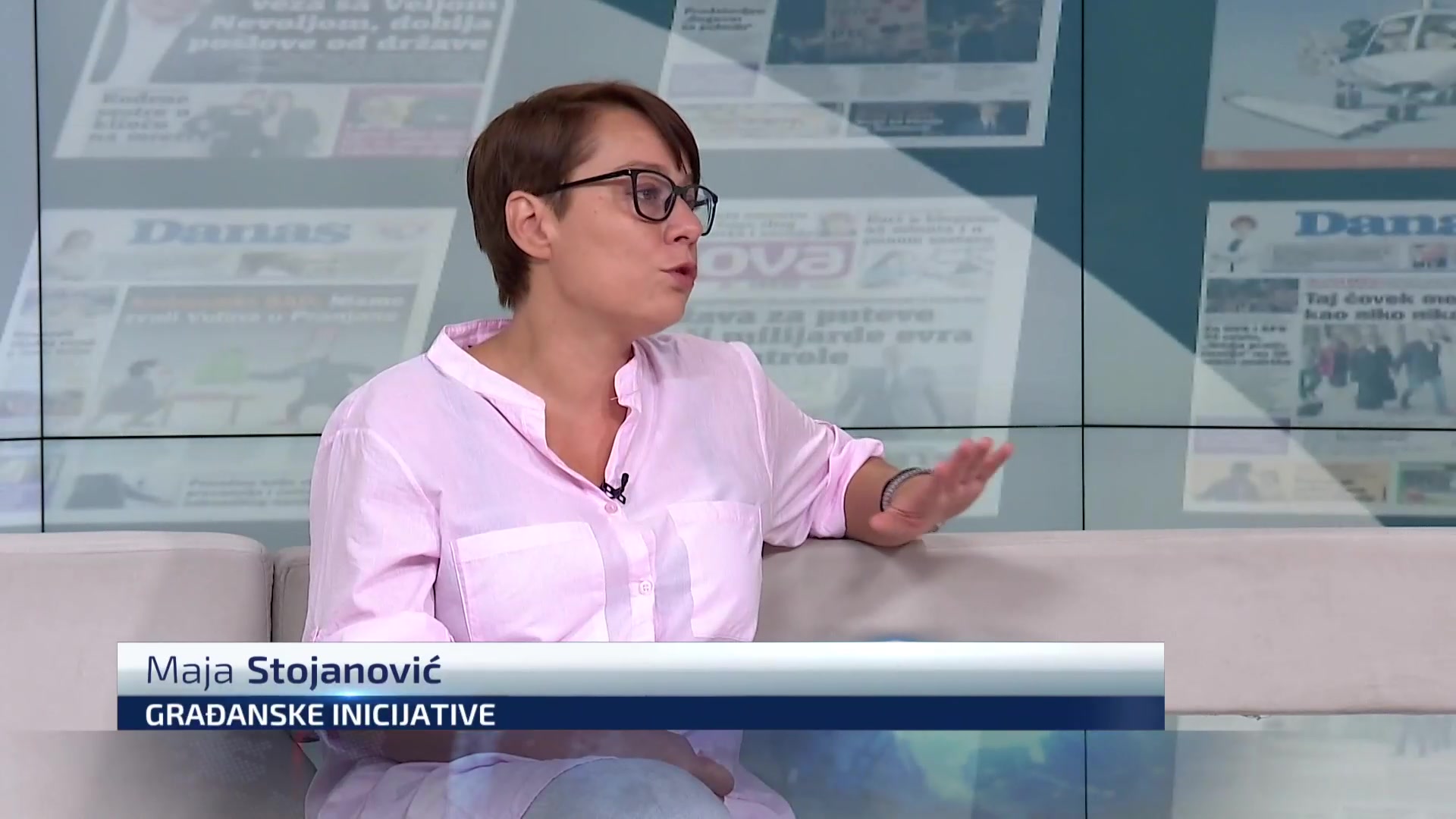
The executive director of “Civil Initiatives”, Maja Stojanović, stated that there are judges and prosecutors who will not tolerate pressure and many arrests that are clearly outside the law. “It seems that it is clear to everyone that there is enough political influence, whether it is happening in Belgrade or in the courts throughout Serbia,” believes Stojanović.
In the program Novi dan on N1, Stojanović commented on the hearings of persons detained in Uzice, among them councilor Radovan Novaković, who was taken away in handcuffs by the police this morning, and the people gathered in front of the court in Uzice greeted him with applause and shouts.
“Detention should not be determined, and we have a tendency to determine it politically, regardless of whether there are legal grounds or not. The question is whether they should have been detained for up to 48 hours,” she said.
As she said, the most blatant example of political influence is with the judge in the previous proceedings, recalling that some of them announced on March 14 that they would no longer approve plea agreements in the previous proceedings because, as Stojanović states, the question arises as to whether someone was forced to plead guilty just to be released.
Right after Vidovdan, he says, we had judges who refused to work according to that agreement, but the chief prosecutor of the Higher Public Prosecutor’s Office in Belgrade, Nenad Stefanović, brought in judges who approved such agreements.
According to her, there is evident political pressure on the police, who, as she says, receive some kind of quota every day as to how many people they should arrest and in what way.
“Coordinated and politically controlled police work generally works by arresting people in order to get them off the streets,” says Stojanović.
He believes that what the government is doing is counterproductive.
“Do they not have a way to deal with it, but it is definitely not calming down the struggle of both students and citizens. When he moves from Belgrade, we can see how organic that struggle is,” believes Maja Stojanović.
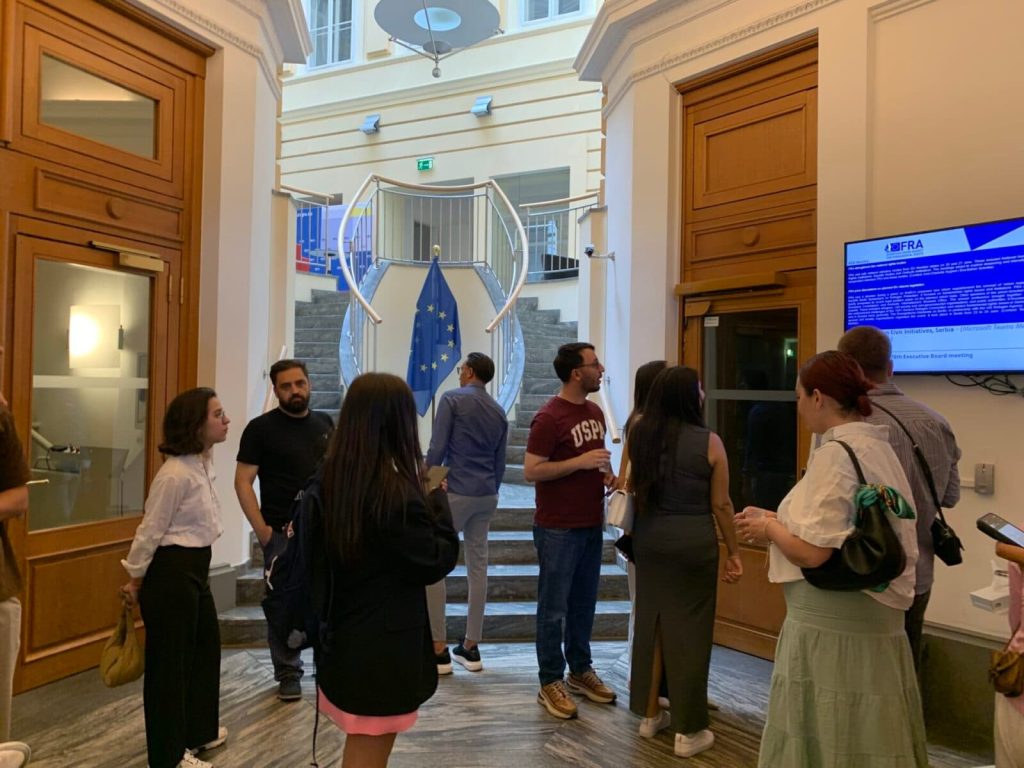
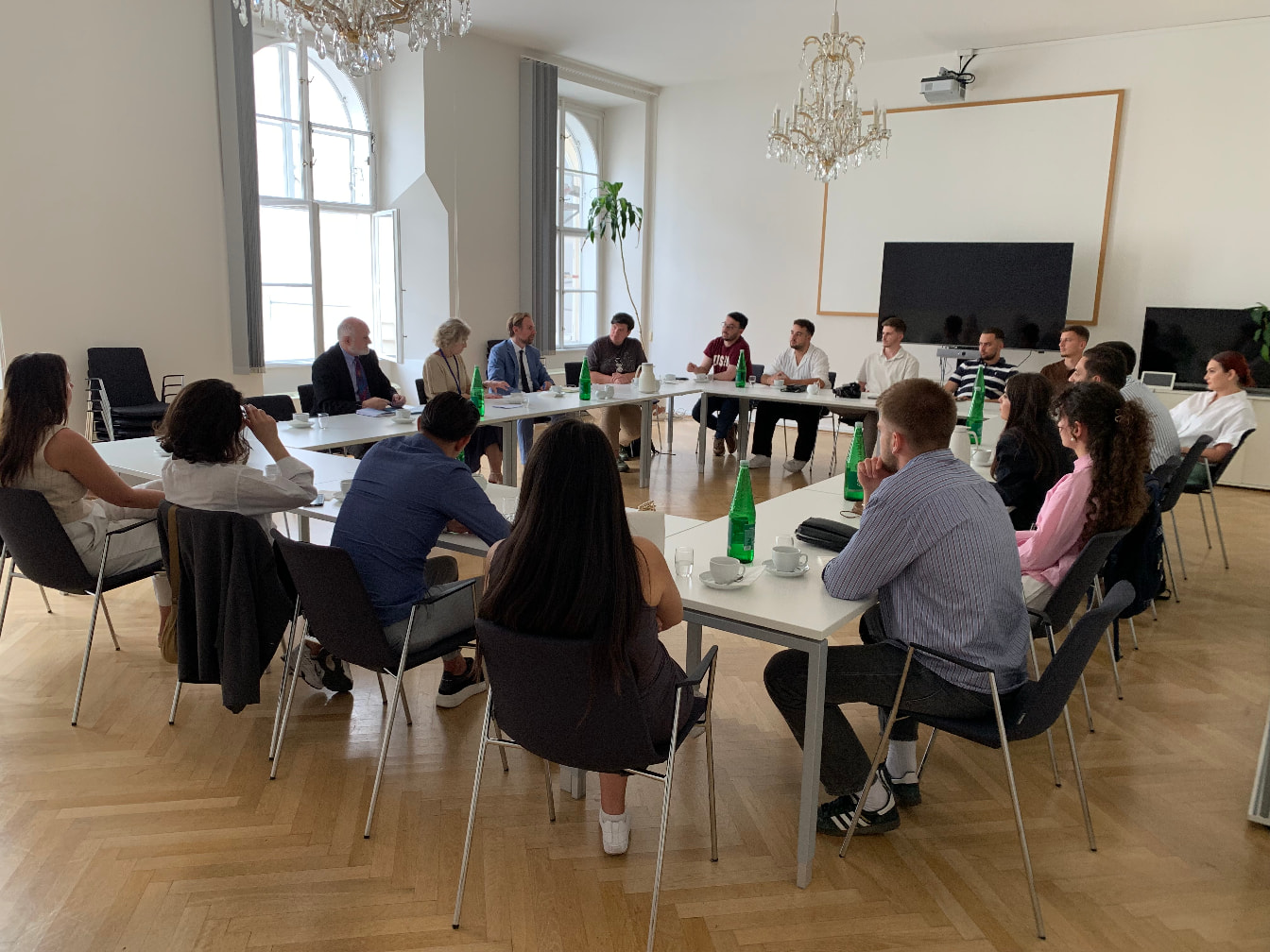
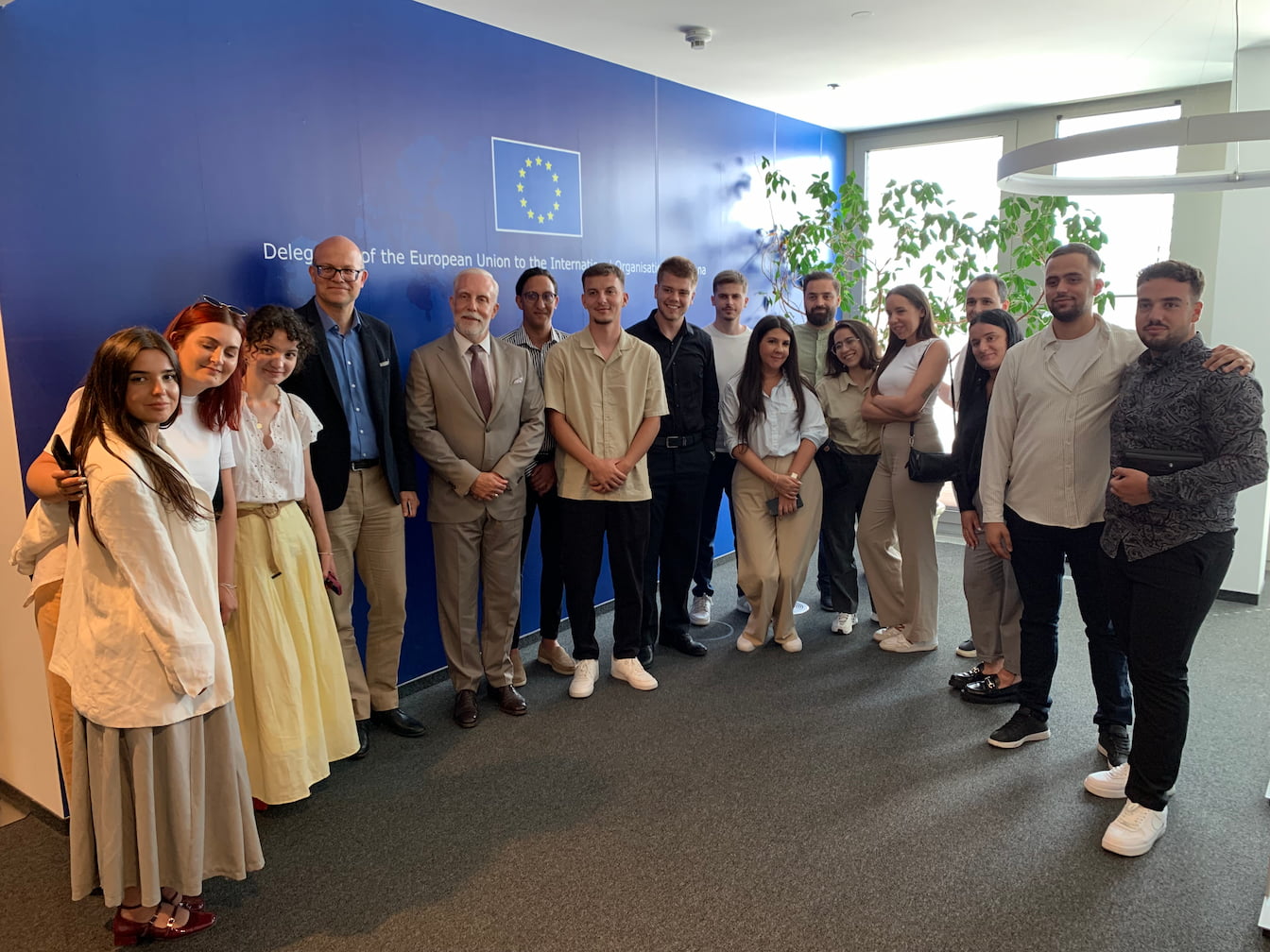
From July 2 to 5, 2025, a group of young people from Preševo and Bujanovac, together with representatives of civil society, youth offices, journalists and practitioners of Citizen Initiatives, stayed in Vienna on a trip marked by joint learning, networking and open dialogue.
This diverse group was united by a common desire to build more inclusive communities – places where everyone has the opportunity to participate, be accepted and contribute to shaping a better future. The aim of this visit was to deepen the understanding of how inclusive policies are designed and implemented in practice. The participants had the opportunity to get to know first-hand the mechanisms for the protection of minority rights, to learn more about strengthening civil society, inter-ethnic cooperation and empowering young people for active participation in decision-making.
Vienna was the ideal host for such a meeting. As a city of human rights, with a rich tradition of multilateral diplomacy and inclusive policies, Vienna provided inspiration and concrete examples of how local authorities can support diversity and build communities where everyone has a place and where diversity is a strength, not a challenge.
During two intensive working days, the participants had the opportunity to talk with international organizations, representatives of institutions and civil society organizations, including:
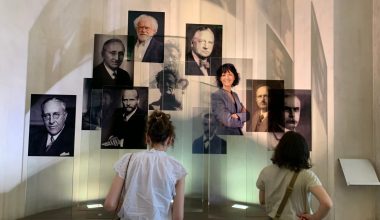
Inspirational talks in the OSCE Department for Southeast Europe
Meetings with the Delegation of the European Union to international organizations in Vienna
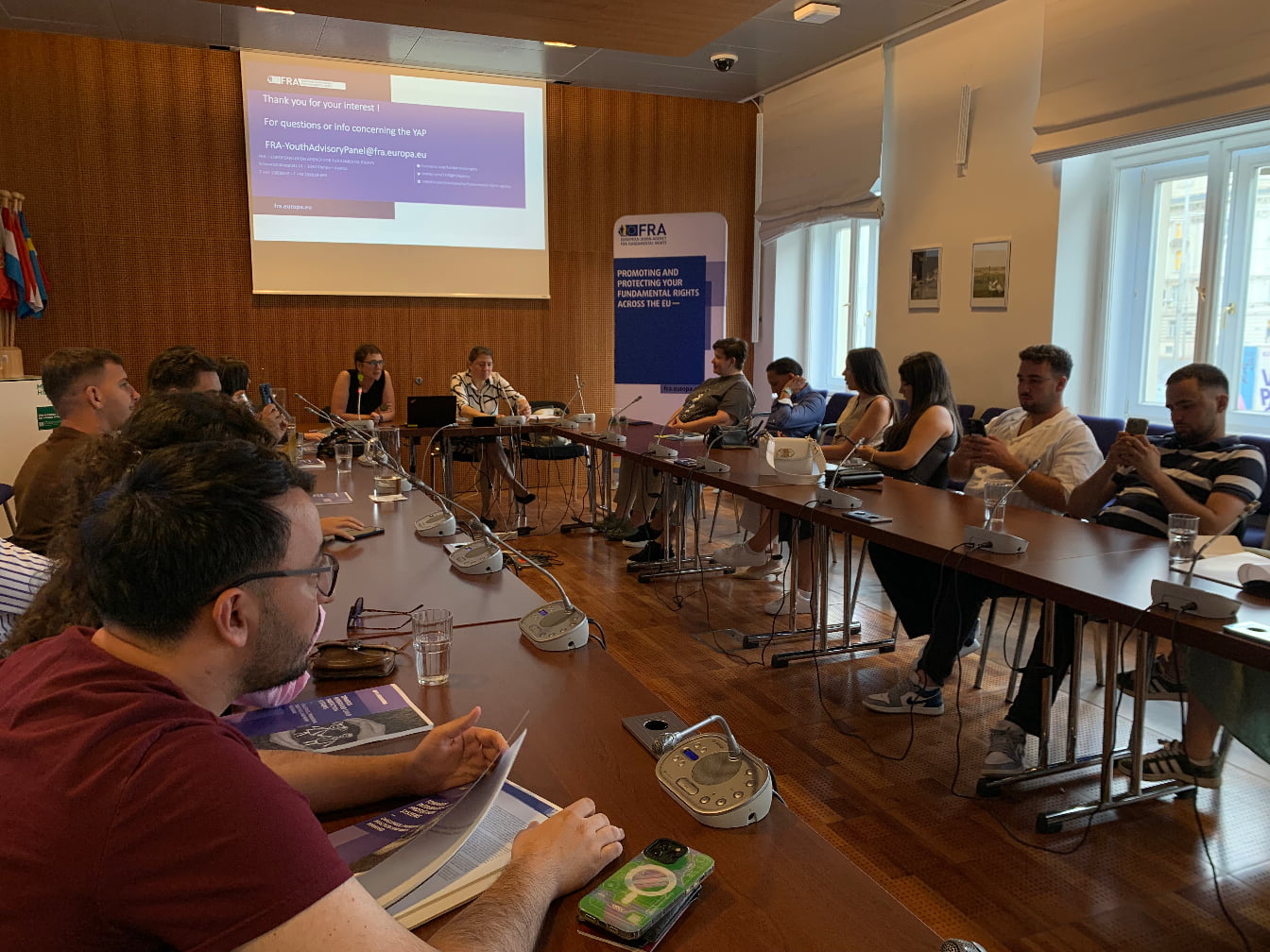
Exchange with the European Union Agency for Fundamental Rights (Fundamental Rights Agency)
Visit to the Ministry of Foreign Affairs of Austria
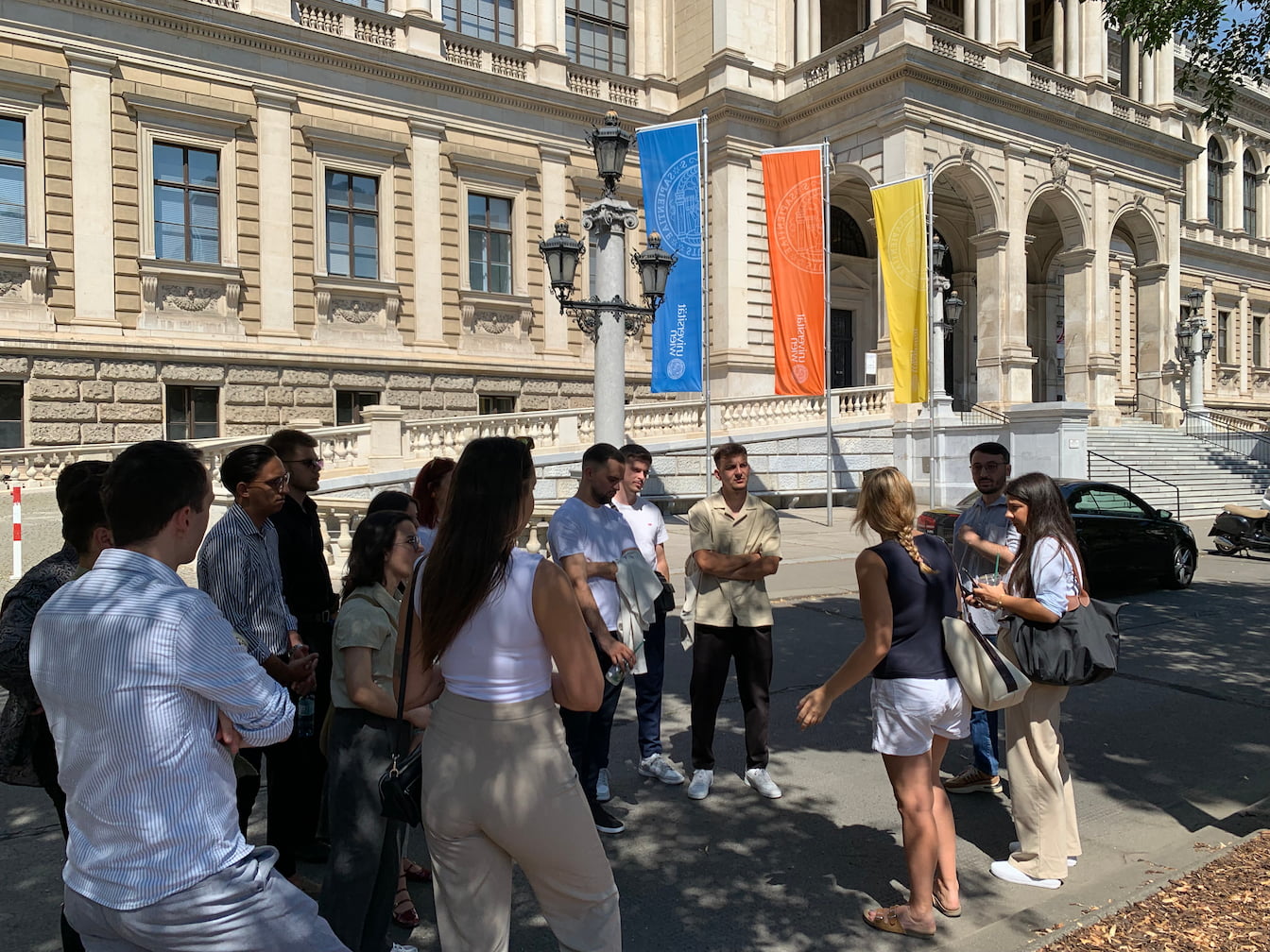
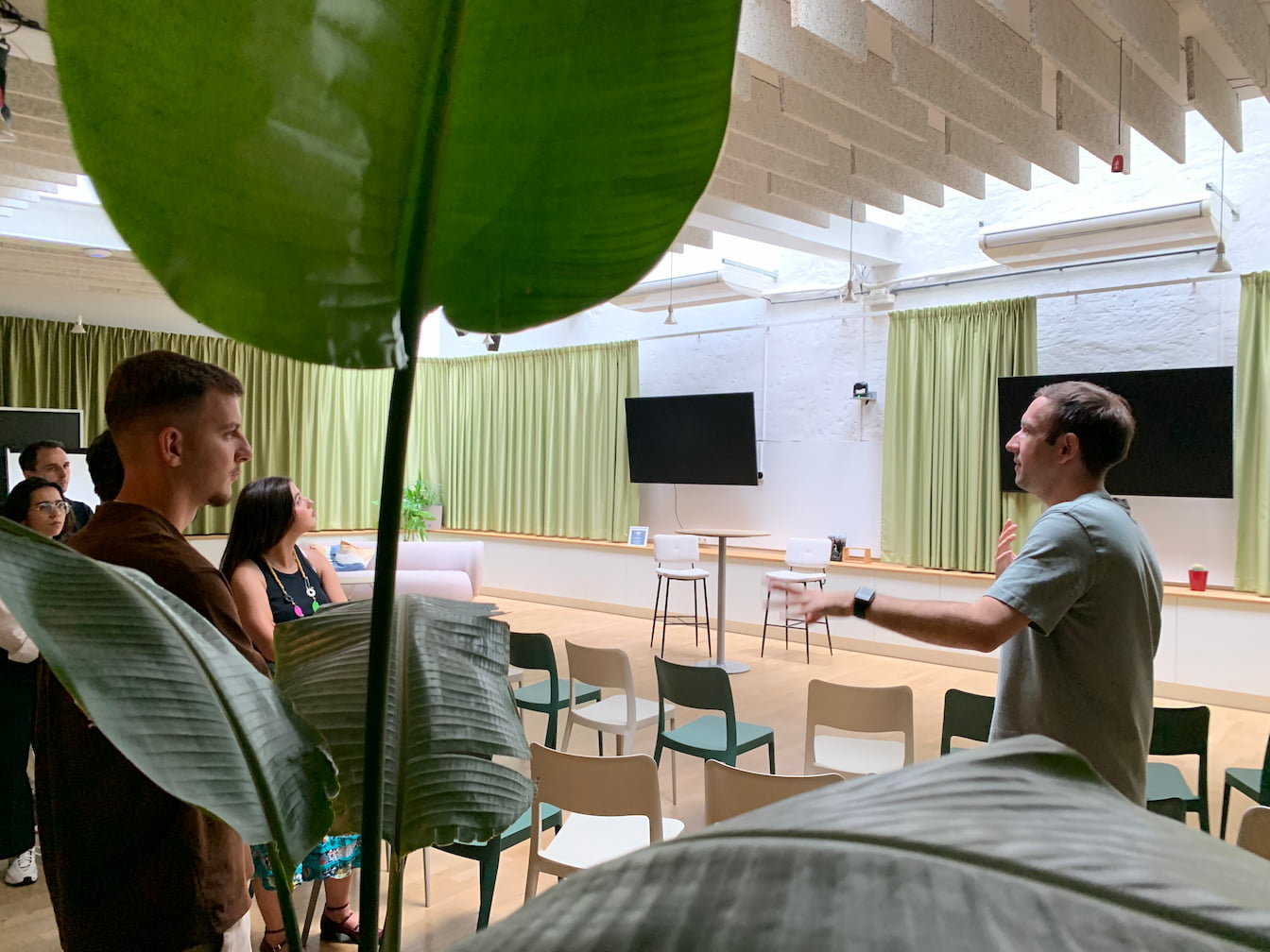
Cultural and educational activities at the University of Vienna, Commonroom and Impact Hub Vienna
These meetings opened a space for learning, encouraged participants to think critically, plan for cooperation and recognize shared responsibility in building a more inclusive society.
However, the real value of this visit lay not only in the meetings with institutions and policy discussions, but also in the sharing of personal stories, experiences, dreams and challenges – across borders of ethnicity, professions and life paths.
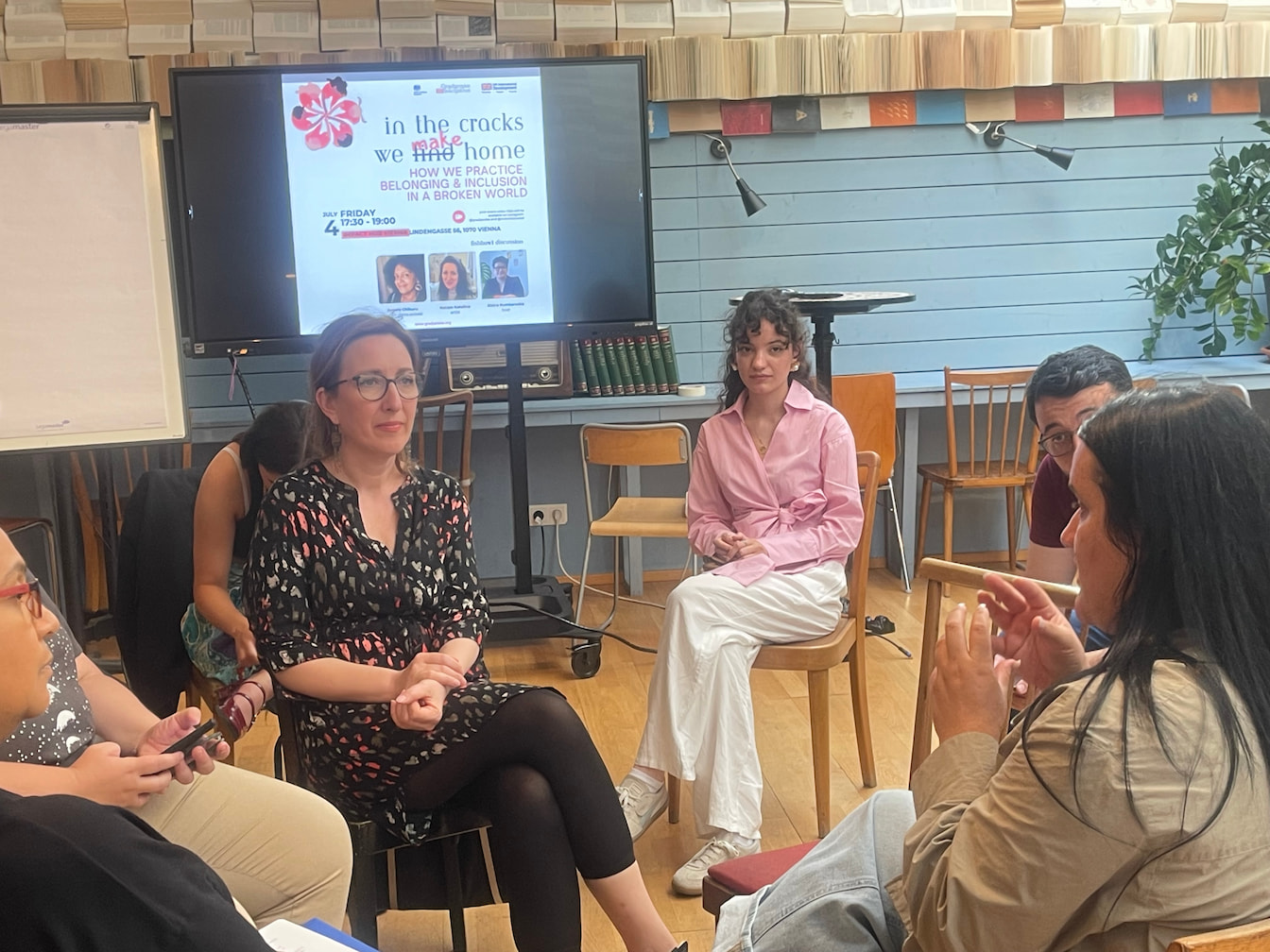
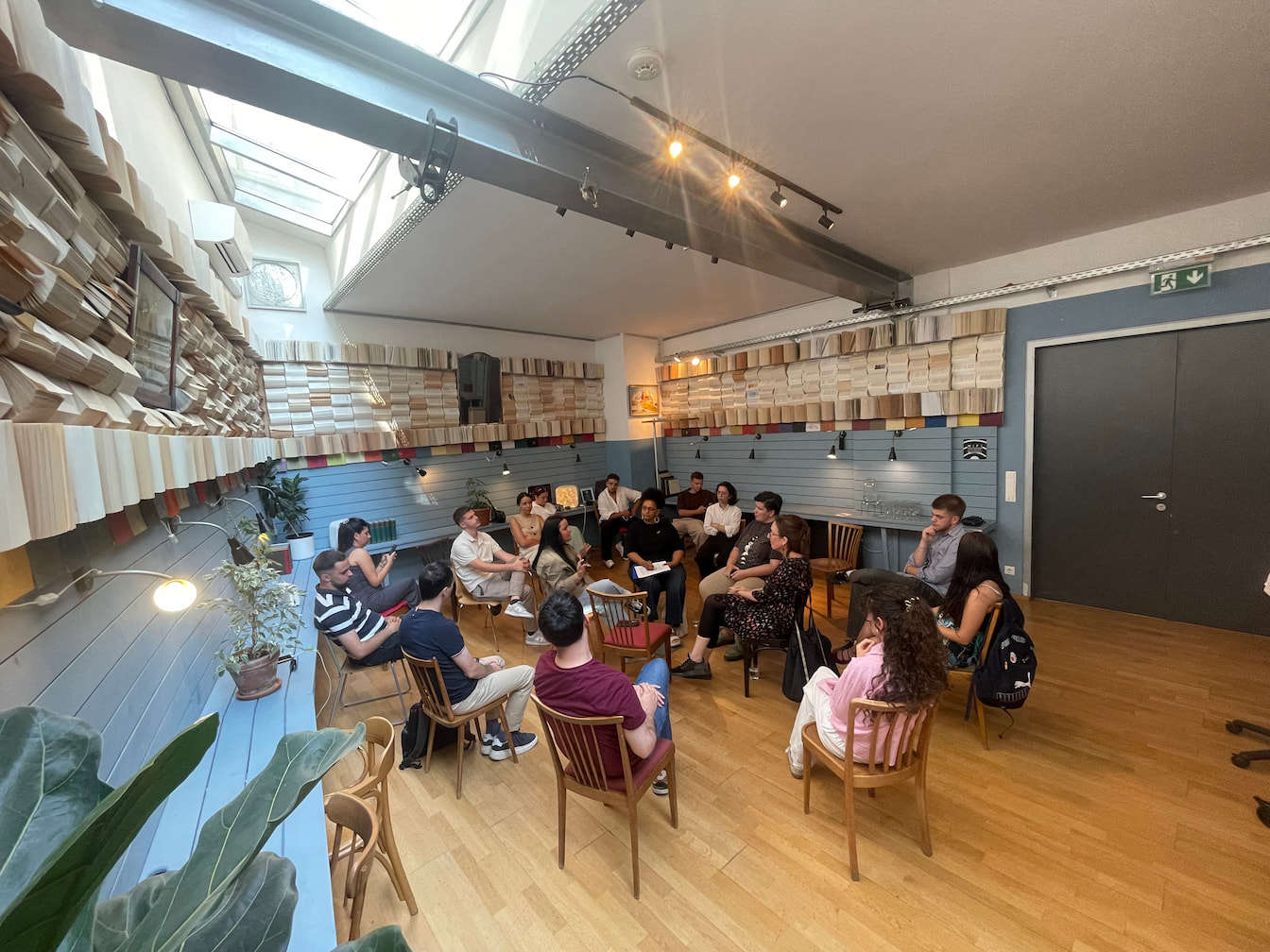
The visit was rounded off with a discussion entitled “We make a home in the cracks: The practice of belonging and inclusion in a broken world.” This open and honest space brought together youth, human rights activists and artists from the diaspora to think together: How do we build a sense of home in places shaped by disruption, migration and change? It was a valuable opportunity to hear the voices of young people and explore the complex but beautiful process of creating a sense of belonging.
We ended the visit with a strong reminder:
“In an age when machines are getting better at being machines, humans must get better at being humans.”
The presence of these young people reminded us once again of the strength and beauty of community, as well as how powerful it is to come together to share, learn and together imagine a more inclusive society where everyone truly has a place. This is confirmed by their words – because they brought with them valuable insights and new motivation:
“The study visit was extremely important for me, not only as a personal experience, but also as an opportunity to reflect on the reality of our community in Serbia. We learned that there are no shortcuts – concrete work, open dialogue and mutual understanding are needed. Only by engaging together can we build a better future for everyone.” – participant of the visit
“For me, this visit was much more than ordinary meetings. As a girl from Presevo Valley, I had the opportunity to sit at the table with representatives of the OSCE, FRA and ministries – and to speak openly about discrimination and the struggle of young people and women from my region. I returned with more confidence and hope that my voice will not be alone.” – participant of the visit
This study visit was supported within the project “Empowering Albanian youth and improving integration into Serbian society”, implemented by Citizen Initiatives, and financed by the Government of the United Kingdom of Great Britain and Northern Ireland through the Conflict, Stability and Security Fund (CSSF).
Vienna, 2–5 July 2025
From July 2 to 5, 2025, a group of young people from Preševo and Bujanovac, together with representatives of civil society, youth offices, journalists and Civic Initiatives interns, stayed in Vienna on a trip filled with shared learning, networking and open dialogue.
This diverse group was united by a common desire to build more inclusive communities – places where everyone has the opportunity to participate, feel accepted and contribute to creating a better future. The purpose of this visit was to deepen the understanding of how inclusive policies are conceived and implemented in practice. Participants had the opportunity to get to know the mechanisms for the protection of minority rights, learn more about building the capacities of civil society, interethnic cooperation and empowering young people for active participation in decision-making.
Vienna was the ideal host city for such a meeting. As a city of human rights, with a rich tradition of multilateral diplomacy and inclusive policies, Vienna offered inspiration and concrete examples of how local government can support diversity and build communities where everyone has their place and where diversity is a strength, not a challenge.
During the two intensive days, participants had the opportunity to meet and discuss with international organizations, institutional representatives and civil society organizations, including:
Inspiring conversation at the OSCE Office for South-Eastern Europe
Meetings with the Delegation of the European Union to international organizations in Vienna
Exchange with the European Union Agency for Fundamental Rights
Visit to the Austrian Ministry of Foreign Affairs
Cultural and educational activity at the University of Vienna, Commonroom and Impact Hub Vienna
These meetings created space for learning, fostered critical thinking, collaborative planning, and recognition of shared responsibility for building a more inclusive society.
However, the greatest value of this visit lay not only in the official meetings and policy discussions, but also in the sharing of personal stories, experiences, dreams, and challenges – across ethnic borders, professions, and personal histories.
The visit concluded with an open discussion in a fishbowl format on the topic “We Make Home in the Cracks: The Practice of Belonging and Inclusion in a Broken World.” This candid space brought together young people, human rights activists, and artists from the diaspora to reflect together: How do we build a sense of home in places shaped by divisions, migration, and change? It was a precious opportunity to hear the voices of young people and to explore the complex and beautiful process of creating belonging.
The visit ended with a powerful statement:
“In an era when machines are getting better at being machines, humans must get better at being humans.”
The presence of these young people reminded us once again of the strength and beauty of community, and how important it is to simply come together to share, learn, and imagine together a more inclusive society where everyone has their place. This is also evidenced by their words – for they took with them valuable experiences and a new sense of motivation:
“The study visit was extremely important for me, not only as a personal experience, but also as an opportunity to reflect on the reality of our community in Serbia. We learned that there are no shortcuts – we need concrete work, open dialogue and mutual understanding. Only with joint commitment can we build a better future for all.” – program participant
“For me, this visit was much more than formal meetings. I had the opportunity, as a girl from the Preševo Valley, to sit at the table with representatives of the OSCE, FRA and ministries – and to speak openly about the discrimination and challenges of young people and women from my country. I returned from Vienna with more confidence and with the hope that my voice will not remain alone.” – participant of the program
This study visit was carried out within the framework of the project “Empowering Albanian Youth and Encouraging Integration into Society”, which is implemented by Civic Initiatives and funded by the Government of the United Kingdom of Great Britain and Northern Ireland, through the Conflict, Stability and Security Fund (CSSF).
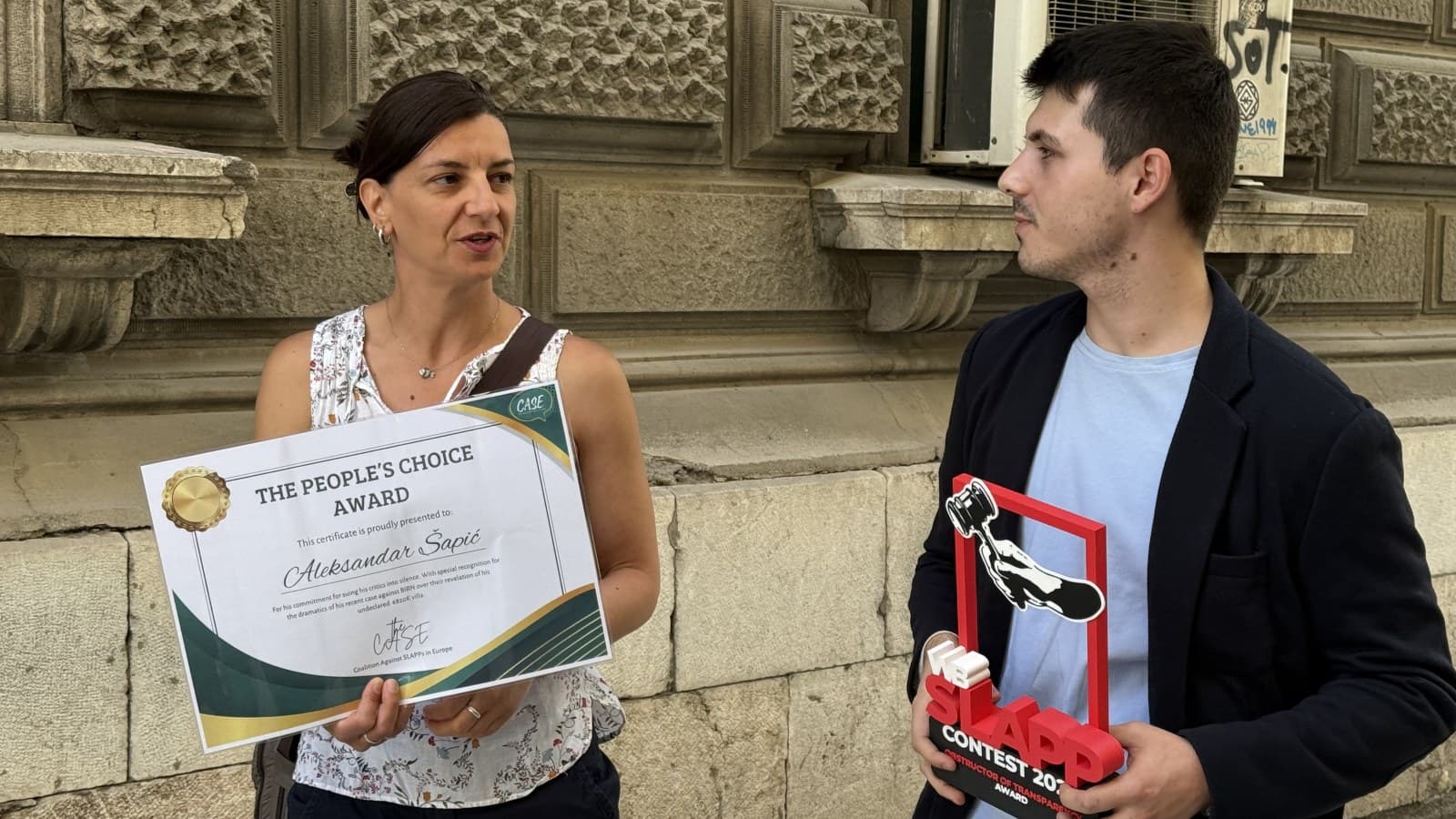
NUNS Secretary General Tamara Filipović Stevanović and Uroš Jovanović from Civic Initiatives left “awards” today at the entrance to the Belgrade City Hall for Mayor Aleksandar Šapić for being the most prominent initiator of SLAPP lawsuits – strategic lawsuits against public participation.
Šapić was presented with the “confessions” on the occasion of the European Day of Combating SLAPP Lawsuits.
“Today we are at this location to present him with two awards from this year and last year. He received one award this year in April from the Coalition Against SLAPP in Europe. The European audience voted for Aleksandar Šapić as a prominent official who initiated strategic lawsuits against public participation. And the second award he won last year at the SLAPP competition organized by Civic Initiatives and the European Fund for the Balkans as an obstacle to transparency,” said Uroš Jovanović from Civic Initiatives.
“I think this is a great moment to remind the Mayor of Belgrade of what he has done in the past and to present him with these awards,” he added.
NUNS Secretary General Tamara Filipović Stevanović said that Šapić filed two lawsuits against BIRN journalists in 2023.
“He stood out for having high compensation claims. He asked for six million dinars for each lawsuit, which is one of the characteristics of SLAPP. Otherwise, his behavior towards journalists is very questionable, even at court hearings, in these cases, he shouted, told lies. The European Day of Combating SLAPP Lawsuits is a real opportunity to once again show him that such behavior is unacceptable, especially for someone who holds a high public office,” said Filipović Stevanović.
These “awards” were given for the abuse of the justice system to silence journalists, organizations, and individuals who speak out in the public interest.
The award ceremony is taking place at a time of increasing repression, when laws and institutions are increasingly being used as tools against the academic community, students, and civil society.
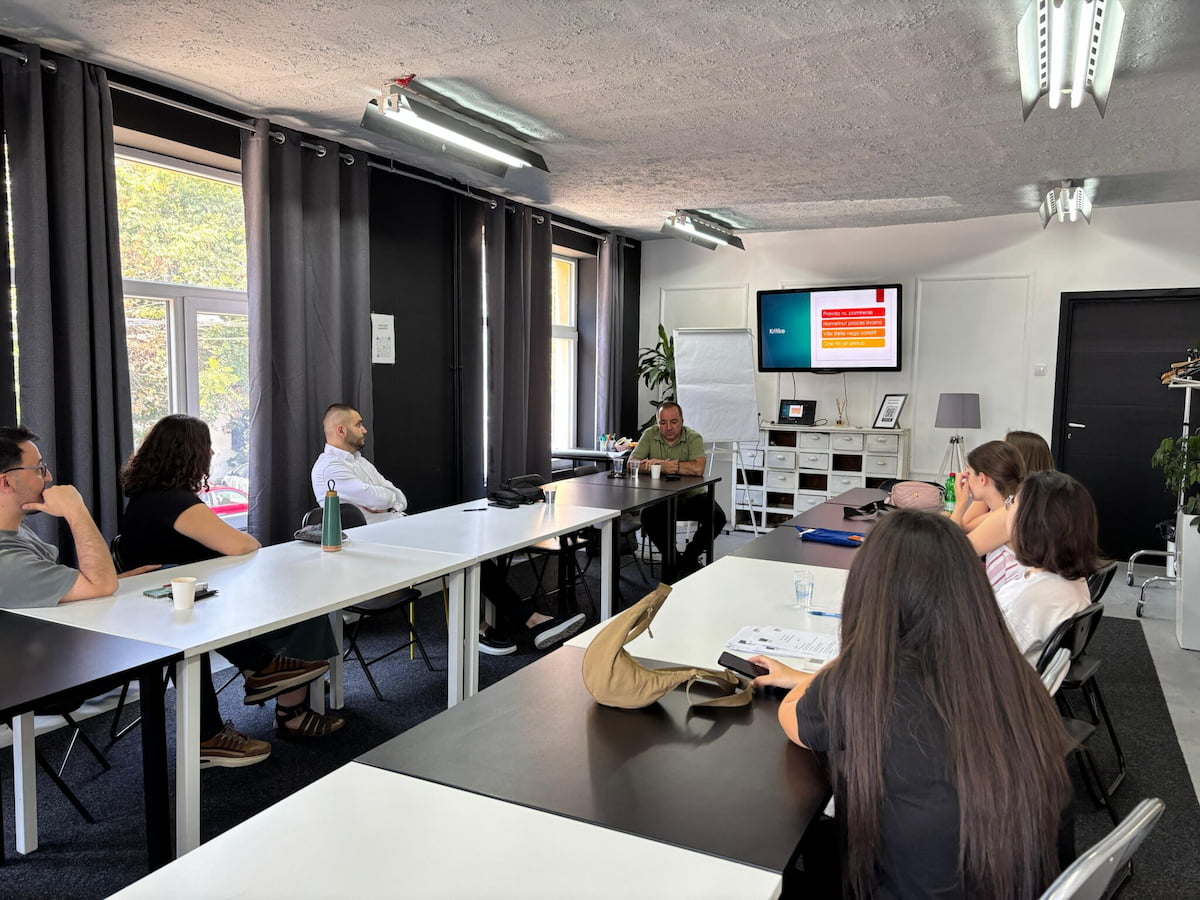
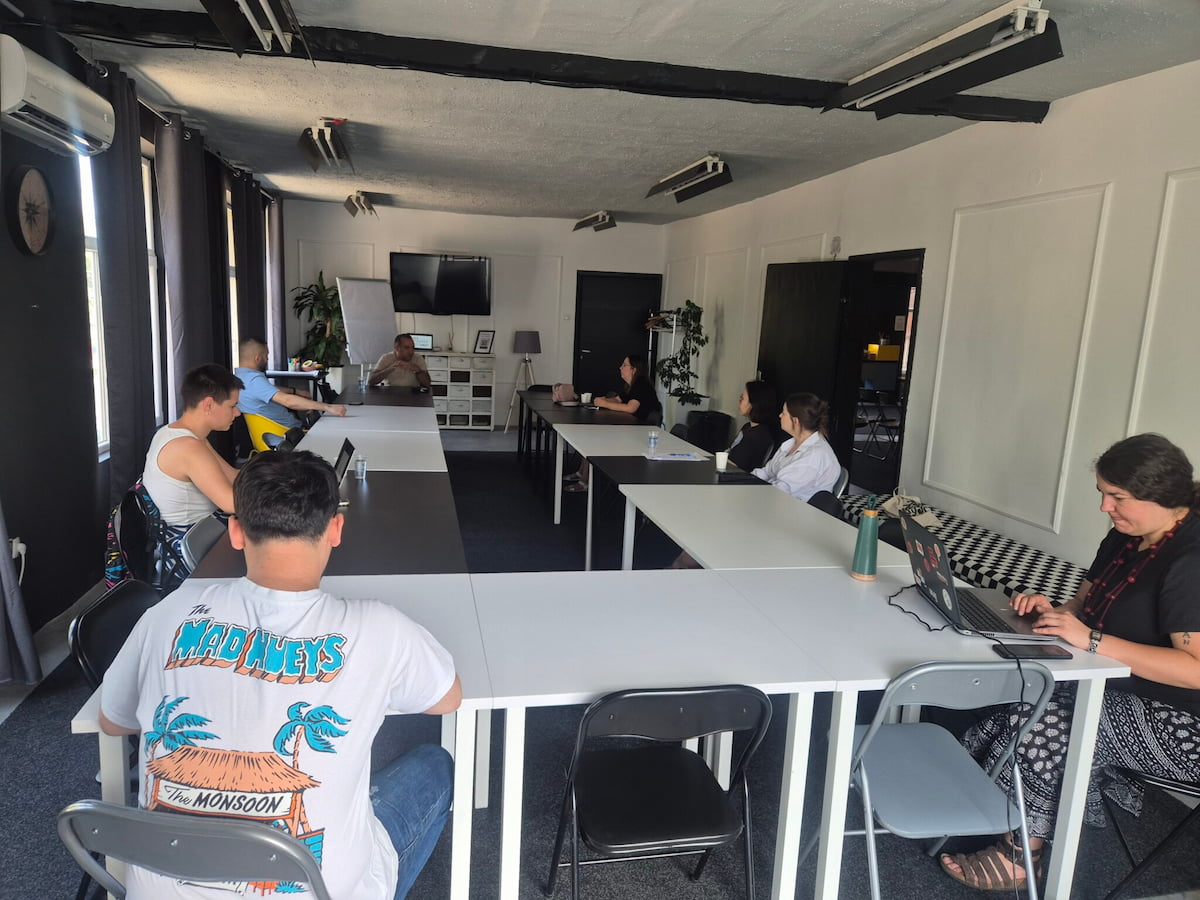
Civic initiatives held a two-day training “Introduction to transitional justice for young people” in Belgrade, from June 30 to July 1, 2025. The training was intended for young people who want to be more actively involved in the processes of dealing with the past, building peace and social justice in their communities.
During the program, participants had the opportunity to learn about the basic concepts of transitional justice, its historical development, key mechanisms and challenges faced by this process, especially in the context of the countries of the former Yugoslavia. Discussions addressed issues of justice for victims, societal responsibility, institutional and individual memory, as well as the role of youth in building a more inclusive society.
On the second day of the training, through interactive methods, the issues of discrimination as a cause of human rights violations and mass crimes were raised, and through the game, the participants put themselves in the positions of the discriminated and those who discriminate. This exercise served as an introduction to a deeper discussion about the causes and consequences of discrimination and the possibilities of breaking and preventing such patterns through transitional justice.
A special segment of the training was dedicated to the role of art in the processes of dealing with the past. Through examples of regional “artivist” initiatives, participants explored the ways in which art can contribute to opening dialogue, revealing truth and building trust. In the final part of the session, they worked in groups to design art projects that respond to the theme “Everything (is) Peace(ë)”, developing ideas that connect creativity, social engagement and the culture of remembrance.
The training provided a space for exchanging opinions, learning, networking and inspiration, and according to the participants themselves, it was a valuable experience that further motivated them to engage in their local communities.
The training was implemented as part of the GeNarration Peace – Art is the way project, which Civic Initiatives is implementing together with Peace Action from North Macedonia and Integra from Kosovo, and is supported by the Western Balkans Fund.
This site is registered on wpml.org as a development site. Switch to a production site key to remove this banner.





 Inspirational talks in the OSCE Department for Southeast Europe
 “The study visit was extremely important for me, not only as a personal experience, but also as an opportunity to reflect on the reality of our community in Serbia. We learned that there are no shortcuts – concrete work, open dialogue and mutual understanding are needed. Only by engaging together can we build a better future for everyone.” – participant of the visit