Violation of basic human rights in Serbia December 26, 2025 – January 15, 2026
We continue the year the way we ended it – with attacks on media workers and violations of basic freedoms and rights. In the previous period, various incidents were recorded in Serbia, including coordinated hacking attacks on the social accounts of media editorial offices, threats and insults addressed to female journalists, arrests of protest participants and pressures within work collectives.
The targets of the hacker attacks were the Zoomer and Radar newsrooms, otherwise newsrooms and media with a critical editorial approach. Such well-coordinated digital actions aimed exclusively at critical media occur in the context of increased pressure on the media and represent attempts to limit public information through social networks.
Mass layoffs and transfers of employees continue to be recorded in public companies, which indicate attempts to discipline and appoint suitable personnel.
For more information about these and other cases recorded in the previous period, see the full report below:
The draft amendments to the Law on Public Order and Peace, which – according to the proposal of the ombudsman Zoran Pašalić, provides for the inclusion of offenses in this area on social networks – are seen by lawyers, media and human rights experts as an opportunity for numerous abuses, indicating at the same time that this area is not the competence of the ombudsman as Pašalić sees it. Milena Vasić, a lawyer and executive director of the Committee of Lawyers for Human Rights, notes that such a proposal violates citizens’ rights to freedom of expression and notes that such regulations are under the jurisdiction of the police and should be proposed by the Government of Serbia, while the Ombudsman could offer his opinion on the matter.
“We now have a completely reversed situation – the Ombudsman is proposing a ban, and a very broad ban, which is very dangerous. We have a Ombudsman who protects the state, not the citizens,” points out Milena Vasić.
She also believes that freedom of speech must allow some things that are outside the bounds of good taste and decency, when it comes to public officials, politicians and political criticism.
“You don’t have to like everything, you don’t have to be nice and polite. Cursing is also allowed, some slightly radical ways of expression are also allowed, as long as they do not directly call for violence. Simply, there is a certain width of freedom of expression on social networks, which the introduction of such violations would significantly narrow, and therefore citizens would lose one of the very important spaces where they can express their dissatisfaction,” she assessed.
He also adds that there are misdemeanors that are already traditionally abused when there is no reason to prosecute activists who criticize the current government, so it is expected to be the same with these regulations.
“We did an analysis of freedom of expression in the digital space of Serbia and managed to prove that the greatest number of threats to security through the Internet and criminal proceedings, in fact, come against the president of the state and public officials, and that the fewest criminal reports and convictions for criminal offenses were made against women, who suffer the most threats and insults on social networks, and those criminal proceedings last the longest”, said Milena Vasić.
She also reminds that the European Court of Human Rights has established a standard related to the restriction of freedom of expression, when and how this restriction can be allowed.
“Before the European Court of Human Rights, it is tested in each individual case whether the restriction met the conditions or not. I believe that this restriction would not pass the test of the European Court of Human Rights, when we are talking about freedom of expression – whether the restriction is legal, whether it is proportionate, whether it serves a legitimate goal. I am afraid that this legitimate goal would be seriously undermined,” said Milena Vasić.
For her, the provision according to which a person who is suspected of having committed an offense on a social network, and claims that someone else did it, must, within eight days, provide complete and accurate information about the identity of the person who used the social network and a certified written statement confirming that the person used the social network instead of the suspect.
She believes that it is “completely absurd” to ask citizens to undertake investigative actions and determine who committed the offense, as this should be done by state authorities, not citizens.
“It is completely contrary to the presumption of innocence, because – if you think that a citizen has committed some violations – you need to prove that he is guilty,” emphasizes Milena Vasić.
Such regulations, Vasić adds, would be an additional burden for the judicial system and would require a lot of resources because it cannot be expected that someone really constantly monitors social networks and the inscriptions of individuals in public speech.
The representative of Civic Initiatives, Uroš Jovanović, estimated that the draft from the ombudsman’s cabinet actually legalizes the behavior of the police during the protests on the streets last year, and now it is also being transferred to the field of social networks.
He recalls that in the past year, the police have intercepted people, identified them, brought them to informational interviews, calls were received for protest participants to report to the magistrate.
If the social network really becomes a public space, if this draft is adopted by the Parliament, we will look at it again, Jovanović said
“The police will now monitor social networks, they will scan what is written. You don’t have on social networks what you have in public space – a context, a certain tone, some behavior that is sanctioned, some message. And very easily a message, which is written through sarcasm, irony, some lyrics of a song – you can interpret as an insult, impudent, rude behavior,” Jovanović noted, adding that “every criticism” could be interpreted that way.
“When you see the range of penalties – including fines and prison terms – people will think twice about how to write something and whether to write it at all. This stifles social networks. It is one space that is still free from the authorities, and they want to put it under control,” Jovanović pointed out.
He notes that social networks were founded by private companies and anyone who registers their profile enters into a contractual relationship with that company and accepts the terms of use.
“Everything that the Ombudsman stated in the Draft Law and that he now wants to defend to the citizens is already provided for in those conditions and the regulations of that company are prohibited,” Jovanović pointed out.
He also points to the effect of fear that spreads to social networks, and affects people’s solidarity.
“People will also wonder if they can even call for donations, for help, for solidarity, all that we saw that students did in previous years, that is exactly the goal of the law,” said Jovanović.
He expects the Ombudsman to do his job, and “instead of dealing with the rights of social network users, he deals with punishing people for what they write on social networks.”
Before he wrote the draft and its explanation, says Jovanović, if he already wanted to enter that field, he should have read the act on digital services of the European Union.
“The state can regulate platforms in the domain of their transparency, user protection, but not in this way – to take over the social network, to turn it into a public space and to put full police surveillance on it,” Jovanović points out.
The Secretary General of the Independent Journalists’ Association of Serbia (NUNS), Tamara Filipović, does not dispute the right of the ombudsman to initiate changes to certain laws, but considers the manner in which it was done controversial, as it spreads the problem beyond the media community.
“As far as the media and journalists are concerned, the burden of proof is being shifted to the citizens, not the institutions. You have to go to a notary, to make sure that you did not publish it. This opens up space for pressure on journalists and on the environment in which journalists work, on their sources, contacts. All of this is very complicated and opens up space for enormous abuse and additional pressure, and can also encourage self-censorship,” said Tamara Filipović.
She announced that NUNS, if there is a public discussion at all, will have its position and comments.
“Honestly, I’m not really convinced that there will be an open public hearing,” said Tamara Filipović.
She also points out that in the countries of the European Union, the regulations on public order and peace do not cover the digital space, but there are special regulations for that.
Earlier, in December, the ombudsman proposed a regulation that includes a ban on the use of mobile phones in primary and secondary schools, even during recess, so that teachers would be in charge of communicating with parents, if necessary, except in the case of students who, due to their health condition, prove, with a doctor’s certificate, that they need to use a mobile phone at school as well.
Uroš Jovanović sees it as a soft way to make communication difficult, especially for high school and high school graduates, who were active in supporting students.
“I believe, if this happens, that high school students, high school graduates, will find a way to communicate. But this should show them who actually has the power, to make them afraid of any future organizing, as they had in previous years,” Jovanović points out.
The Draft Amendments to the Law on Public Order and Peace, drawn up in the office of the ombudsman, stipulates that, apart from in a public place, indecent and insolent behavior that disrupts public order and peace or offends the morals of citizens, will be treated as a misdemeanor on social networks as well, which would also apply to insults and threats.
Among other things, the law would deal with fortune-telling on social networks, interpretation of dreams or other deceptions that deceive citizens, mediating or organizing prostitution, but also endangering the well-being of citizens by collecting donations without the approval of the competent authorities.
Penalties provided for in the draft range from 10,000 to 150,000 dinars, community service from 80 to 360 hours or imprisonment for 10, 30 or 60 days is provided for.
Violation of basic human rights in Serbia December 12 – December 25, 2025
The previous two weeks were extremely challenging, first of all, for journalists in Serbia. Unfortunately, we end the year with a wave of insults and threats of arson, shooting, violence – threats that journalists were exposed to throughout the year. Thanks to the dedicated and consistent work of professional media workers, this year we were able to see and hear what was happening on the streets and cities throughout Serbia. And there was a struggle of citizens and an expression of their desire for a better and different society. The waves of threats arriving at the end of 2025 are just the conclusion of this stormy, unstable and violent year marked by the regime’s repression of students, professors, workers, farmers, activists and journalists and all free-thinking members of society.
In the observed period, there was also an intrusion into the house and destruction of the property of the activist association “Women for Peace”. This attack is a reflection of the innate dimension of violence that characterized the repressive mechanisms of the authorities used throughout the year against female students who were beaten, belittled, threatened with rape and slaughter. Violence against women at protests by the police, femicides and attacks on human rights defenders are dimensions that we must not ignore when we are fighting for a different society, a society of equal citizens of Serbia.
Nevertheless, in spite of all the bad things that marked this year, it will also be remembered for the hope that students have awakened throughout Serbia. Walking, running and cycling to towns and cities in Serbia and Europe, got the citizens on their feet. Tens of thousands of public meetings were held, and some of the most massive protests in the history of Serbia took place. Solidarity and togetherness returned to the streets of the country thanks to young people who showed that the fight for freedom, the rule of law and democracy is worth fighting for. And the fight continues and is not over yet.
Happy holidays and may 2026 be the year of conquering freedoms!
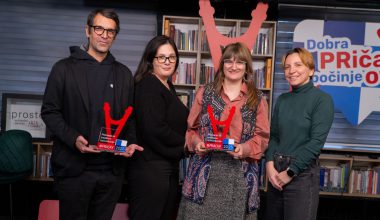
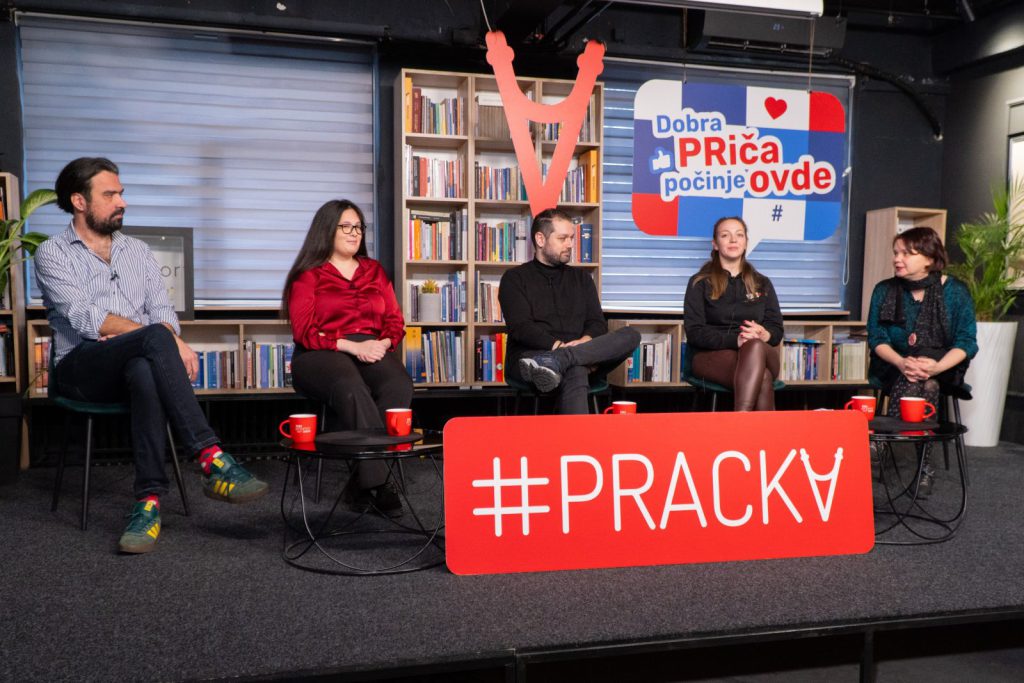
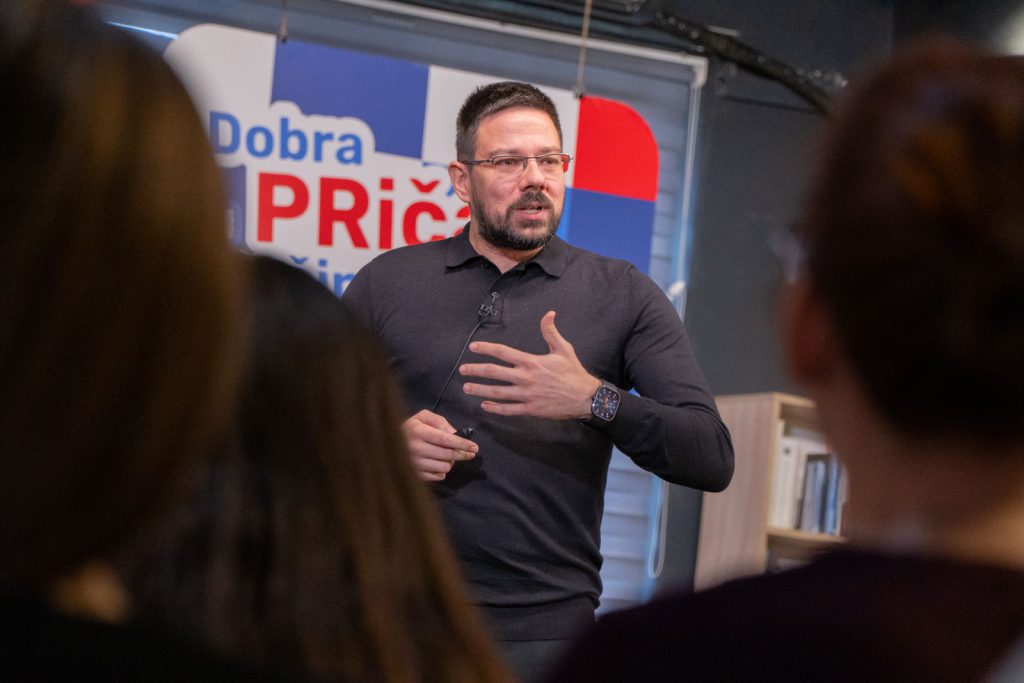
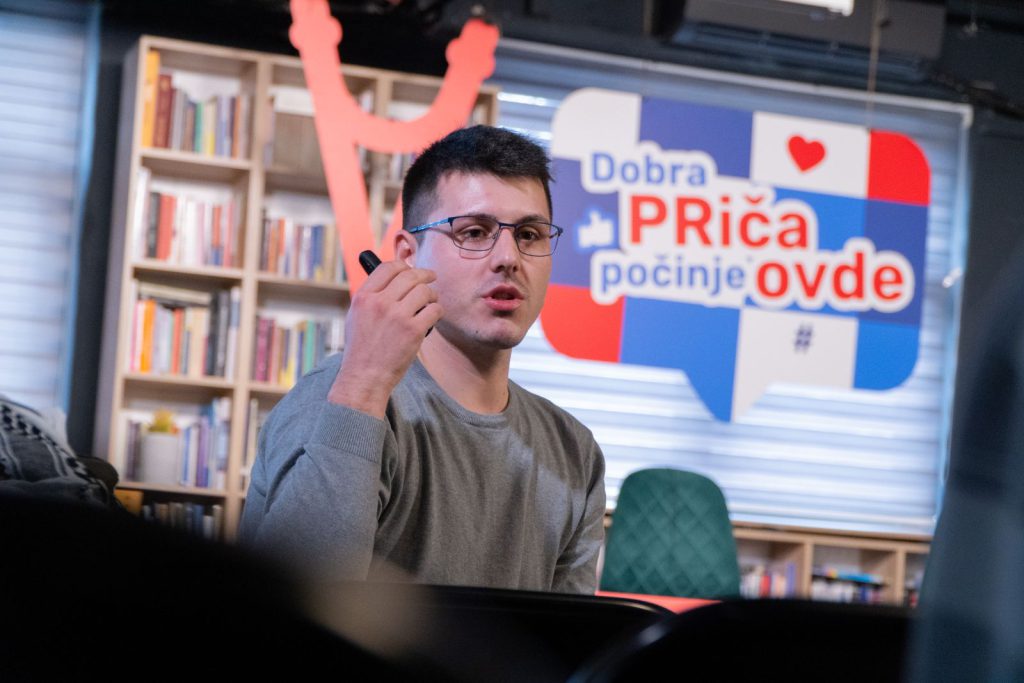
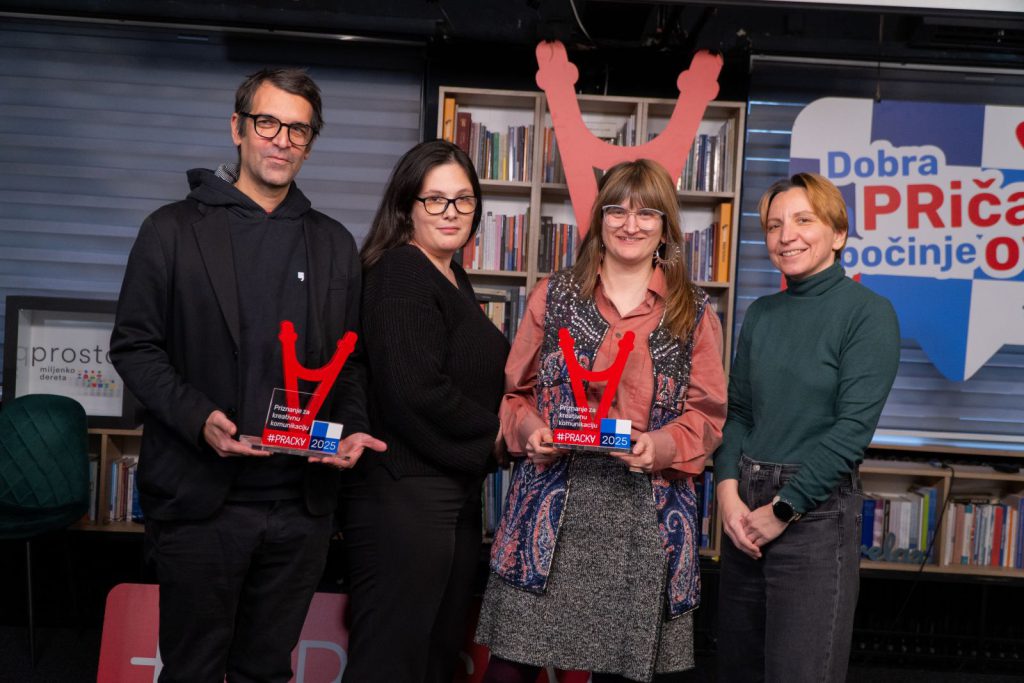
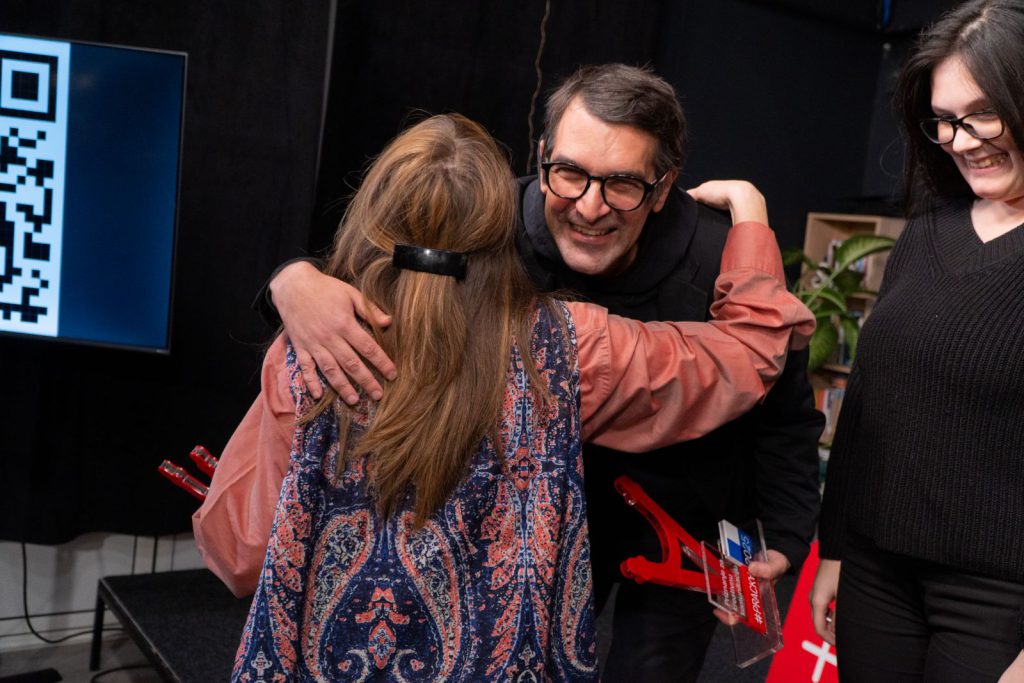
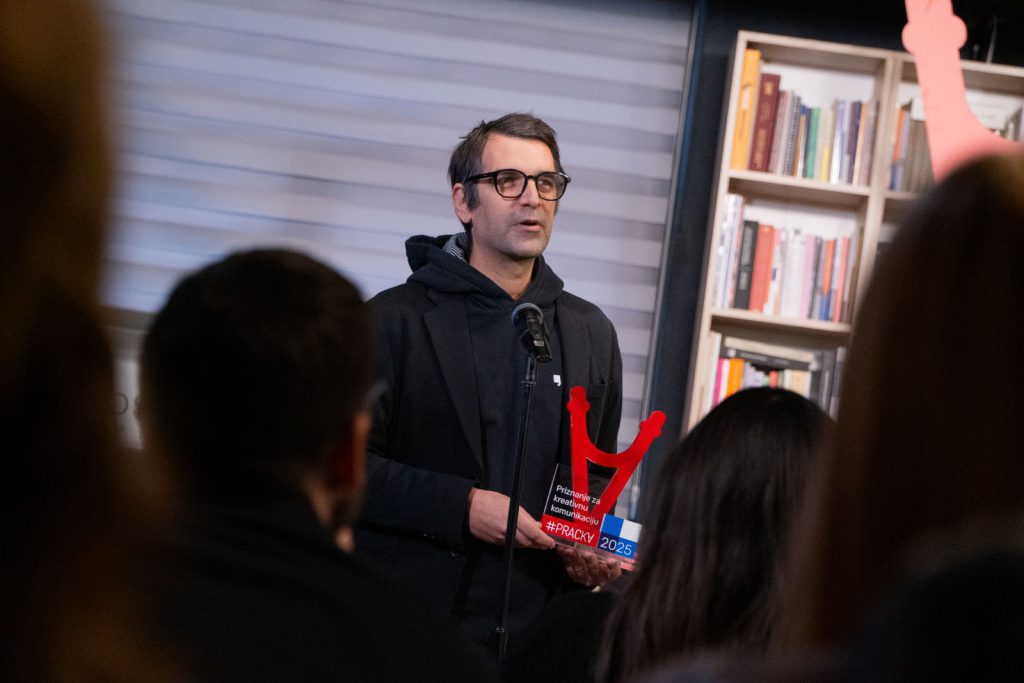
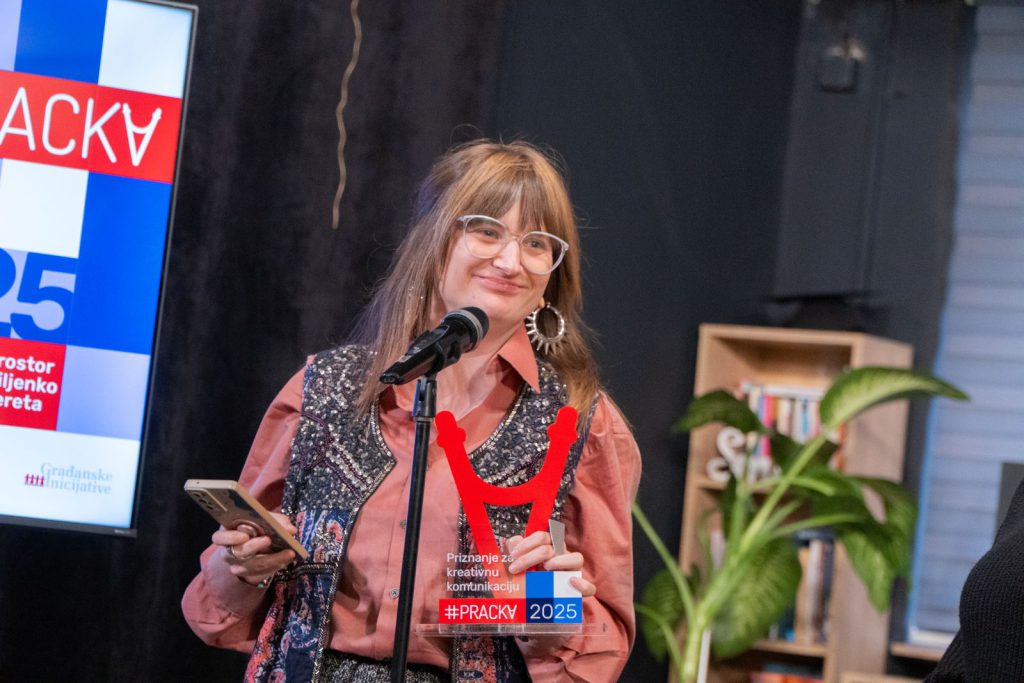
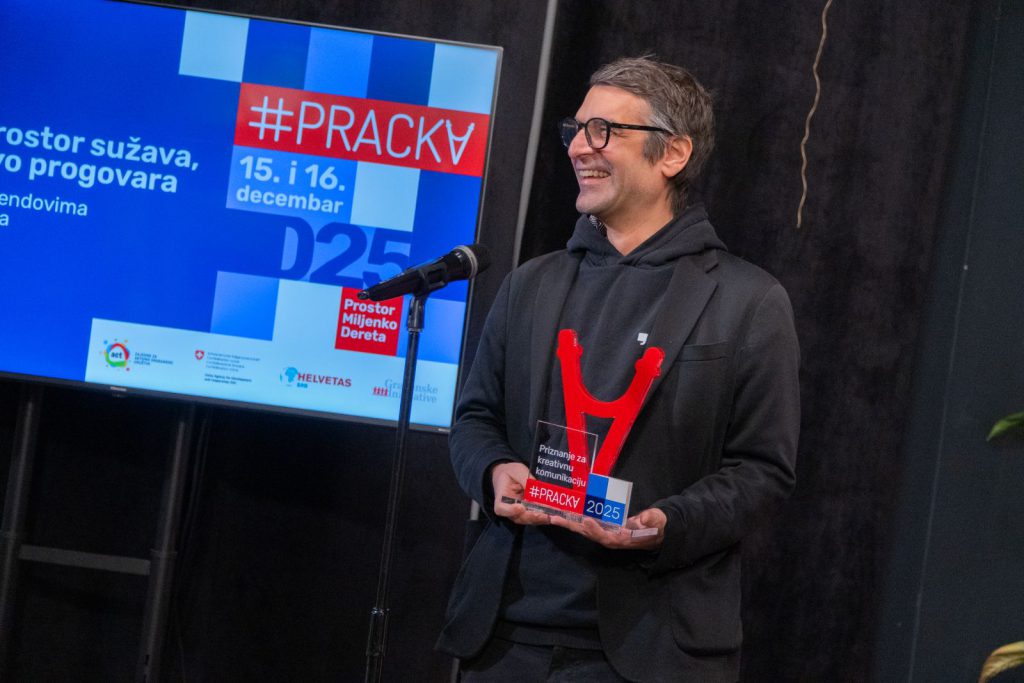
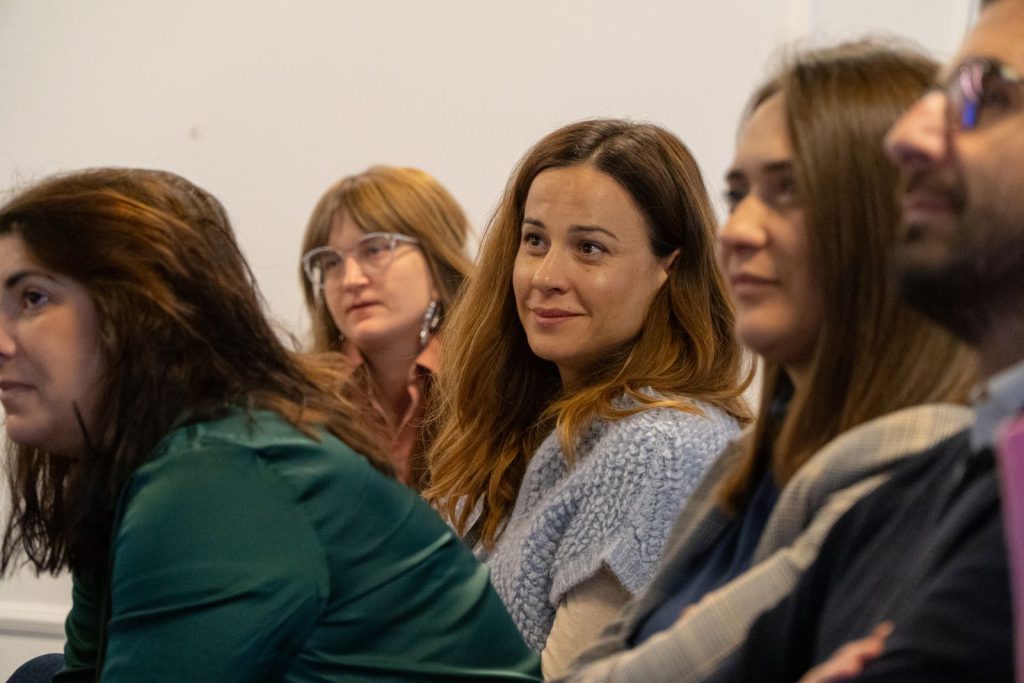
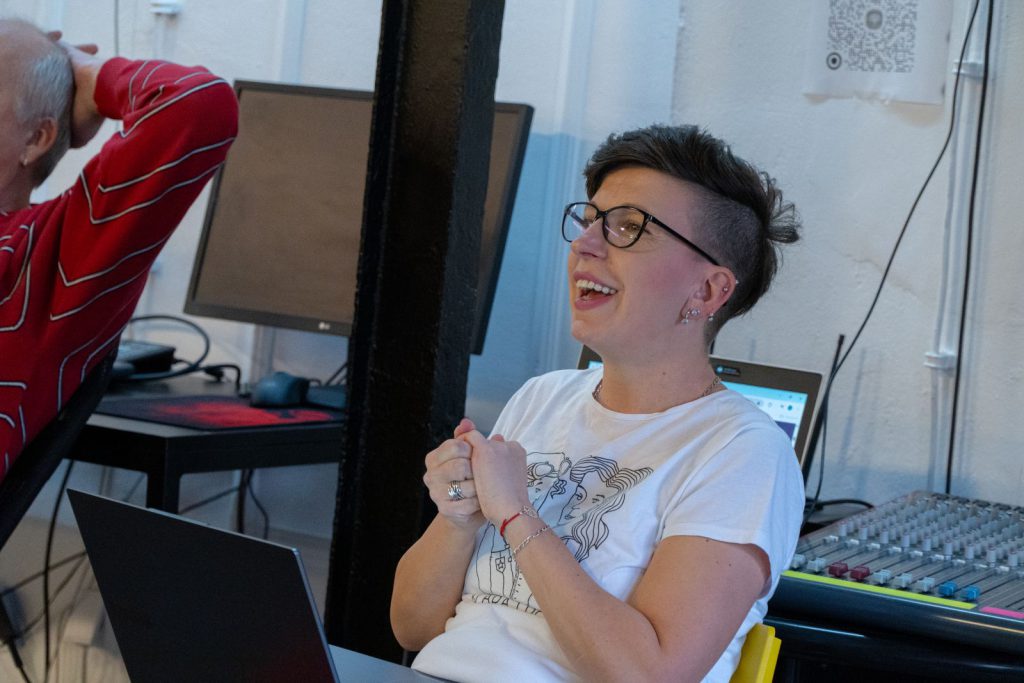
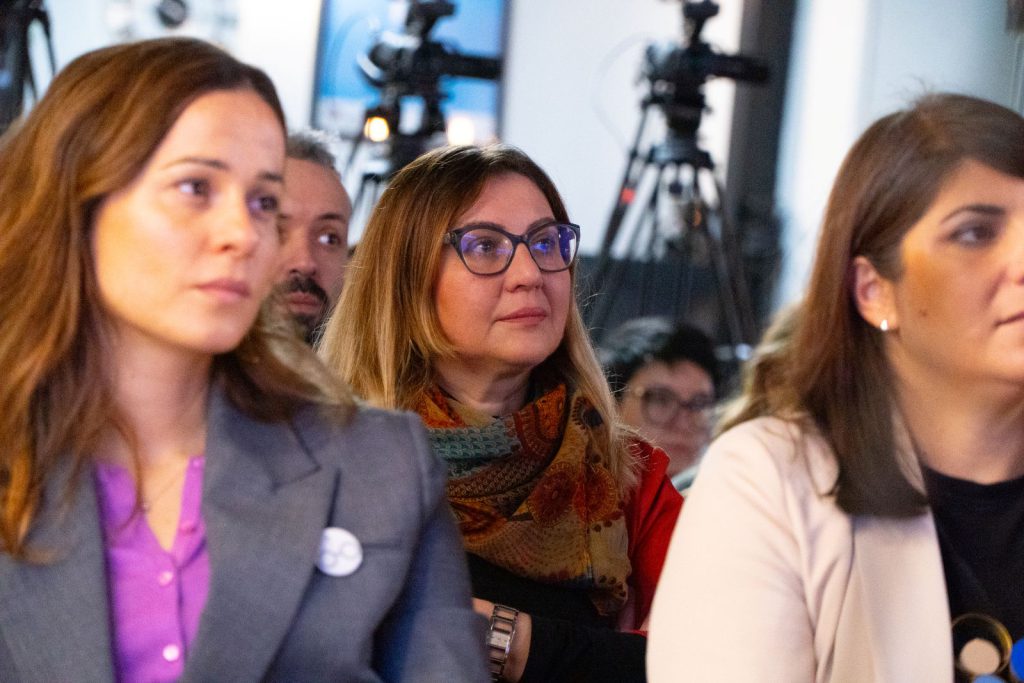
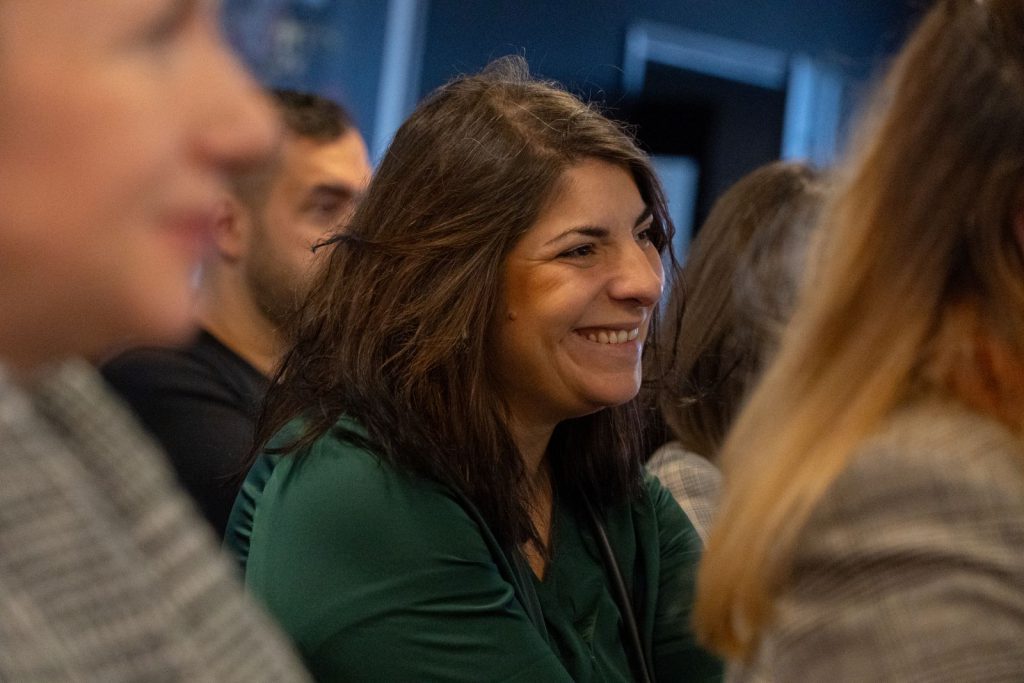
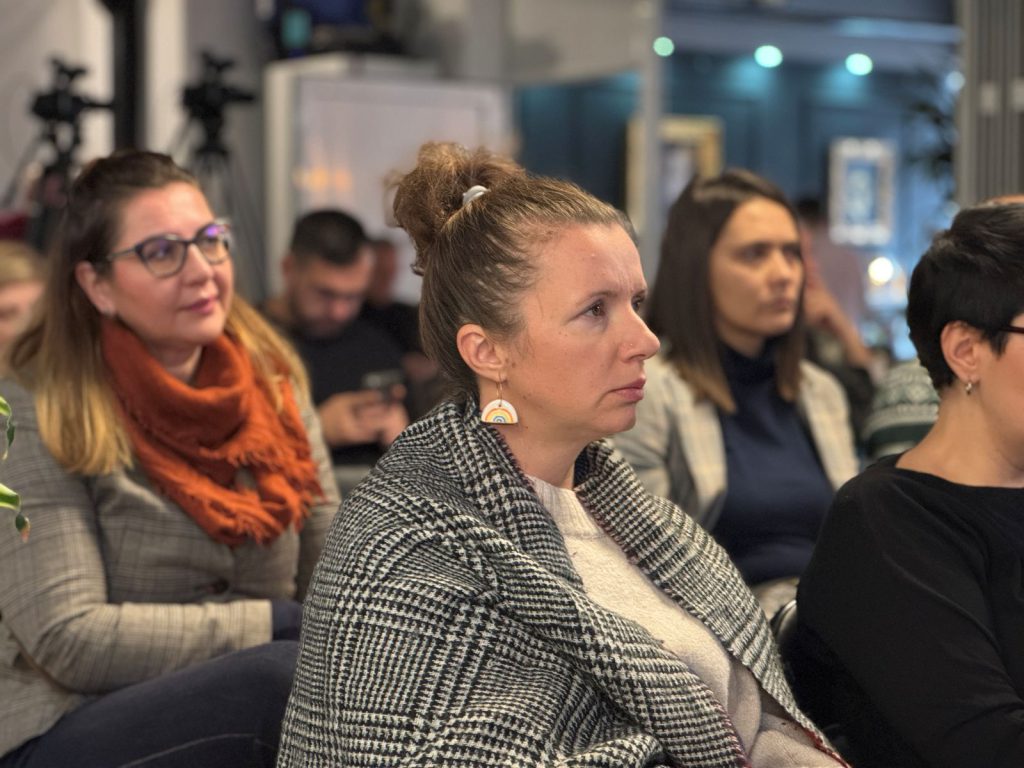
At a time when public space in Serbia is increasingly narrowing, communication is no longer just a skill – it is becoming an act of civic courage. It is precisely from this belief that PRaćka 2025 was held, a two-day conference dedicated to trends in communications in the civil sector, which is traditionally held every year, this year’s – the seventh in a row. The conference opened up key issues of voice, trust and responsibility, but also awarded PRaćka awards for Creative Communication to organizations and initiatives that in the previous year showed how communication can be a tool for real social change – the SHARE Foundation and the Feminist Digital Hub “Ujedančene”.
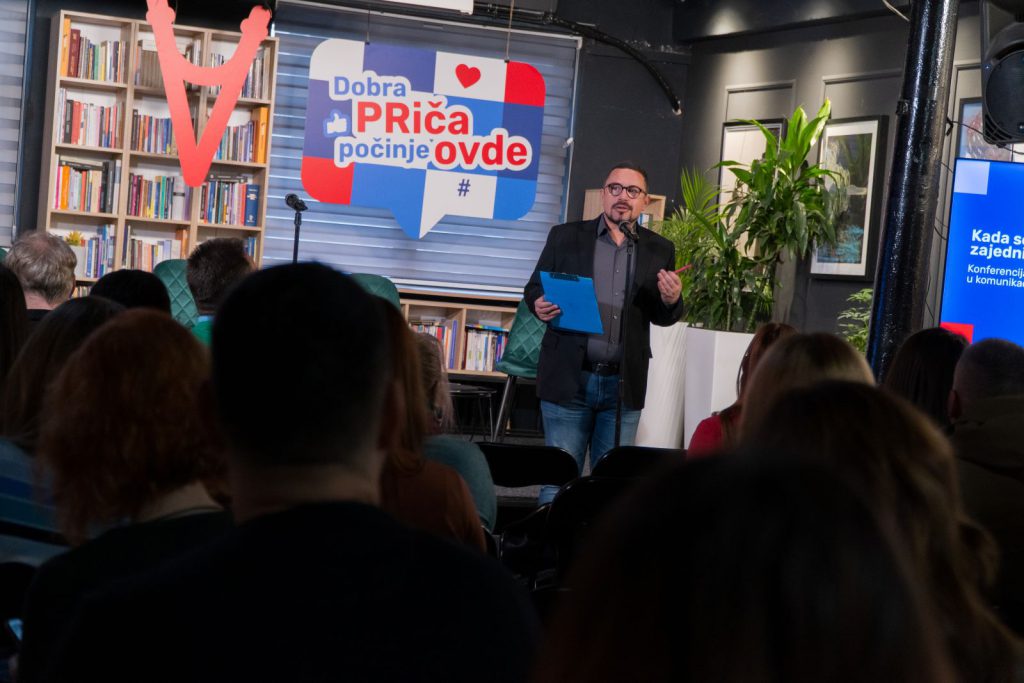
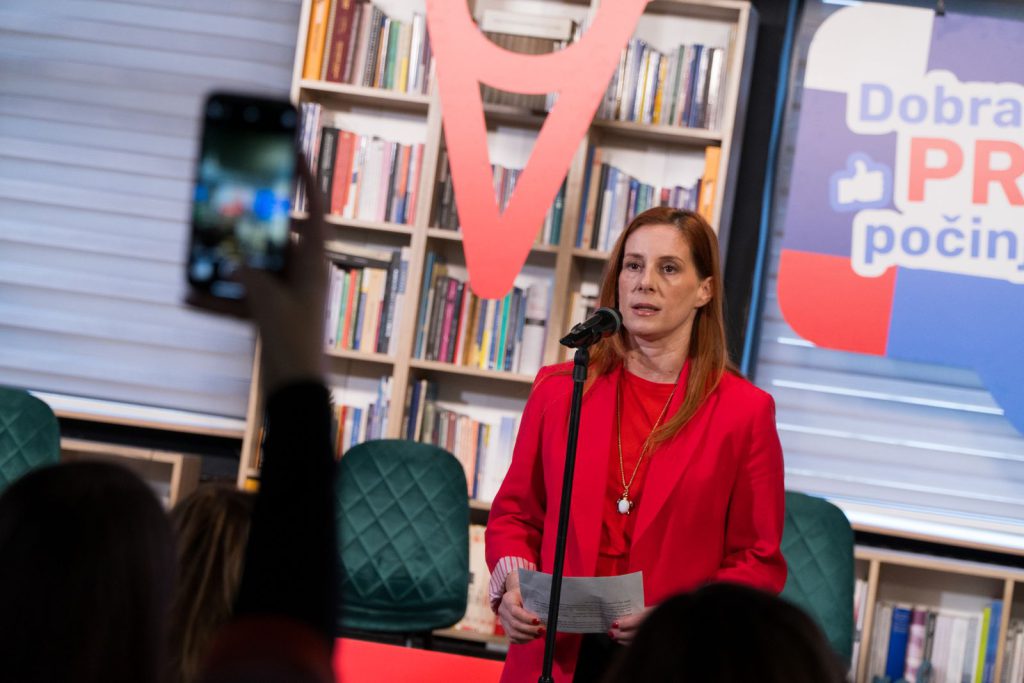
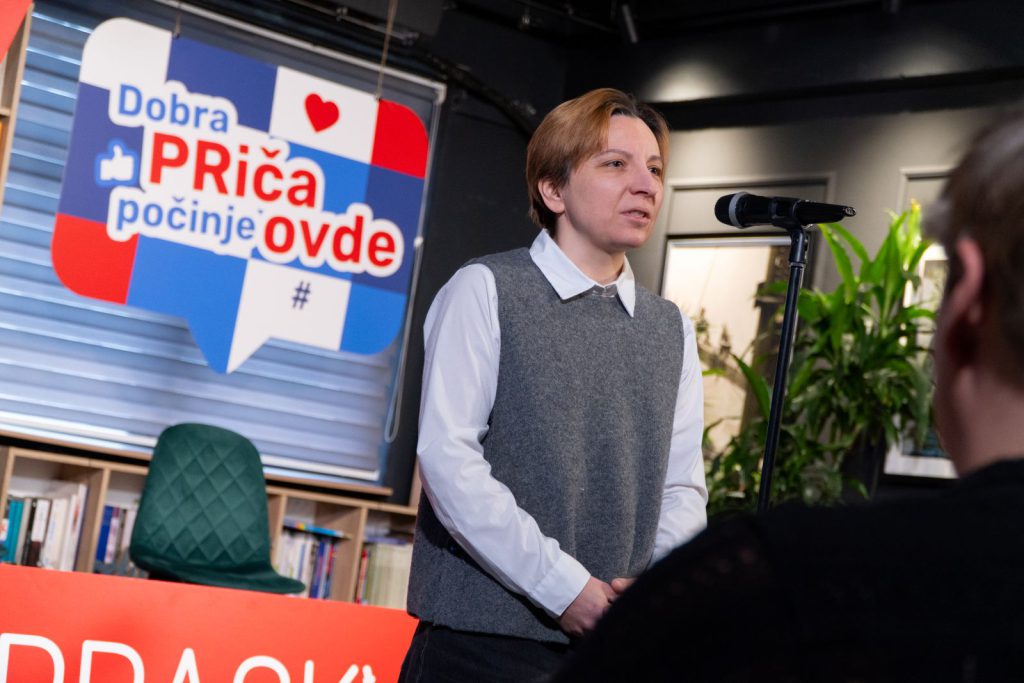
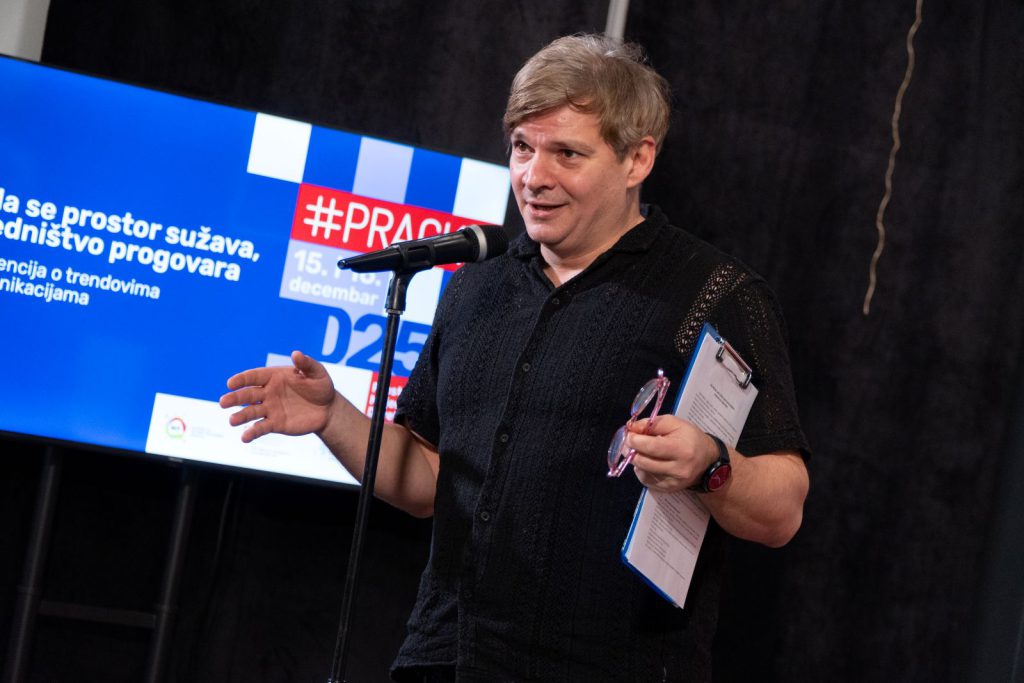
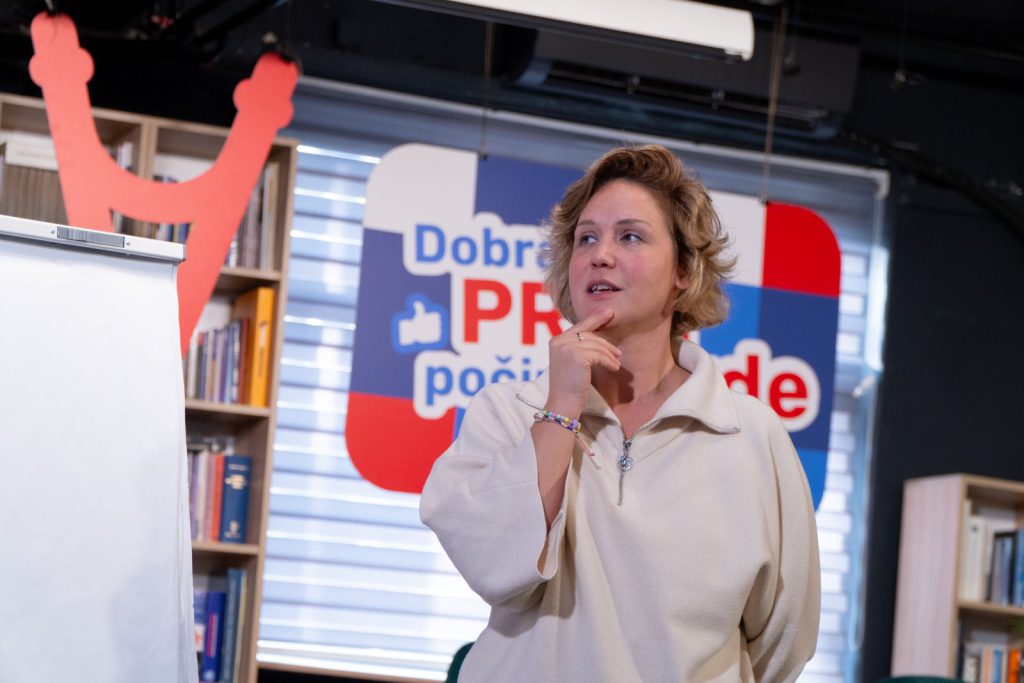
Through panels, workshops and masterclass sessions, PRaćka 2025 raised issues of voice, trust, responsibility and visibility in a society where the fight for the public interest is increasingly being fought under pressure. The conference was moderated by journalist Željko Veljković, and the opening speech was given by the ACT project team leader Gorana Radovanović (Helvetas Serbia). She stated on that occasion that by working with organizations, we have learned how important communication is and that it allows us to build trust, engage and motivate citizens, “that in an era when we have artificial intelligence and countless communication channels, our role has never been more important”. “Just like in the story of David and Goliath, which was the inspiration for PRaćka, we believe that if we have the right weapons and know how to hit the target, we can defeat even the biggest Goliath”, said Radovanović and wished the participants that during the conference they would receive “the right slingshots”, communication ideas and tools from communication experts and that they would return to their organizations inspired and ready to use what they had learned. Dragoslava Barzut from Civic Initiatives also addressed the attendees, wishing them successful and productive work because “transparent communication is very important in the work of the civil sector at the present time.”
Day 1.
The first day of the conference opened with a keynote speech by Pavle Pekić, theater and film actor and president of the Association of Dramatic Artists of Serbia, who spoke about how to find and preserve a voice today in a society full of challenges, but also about the responsibility of those who have that voice.
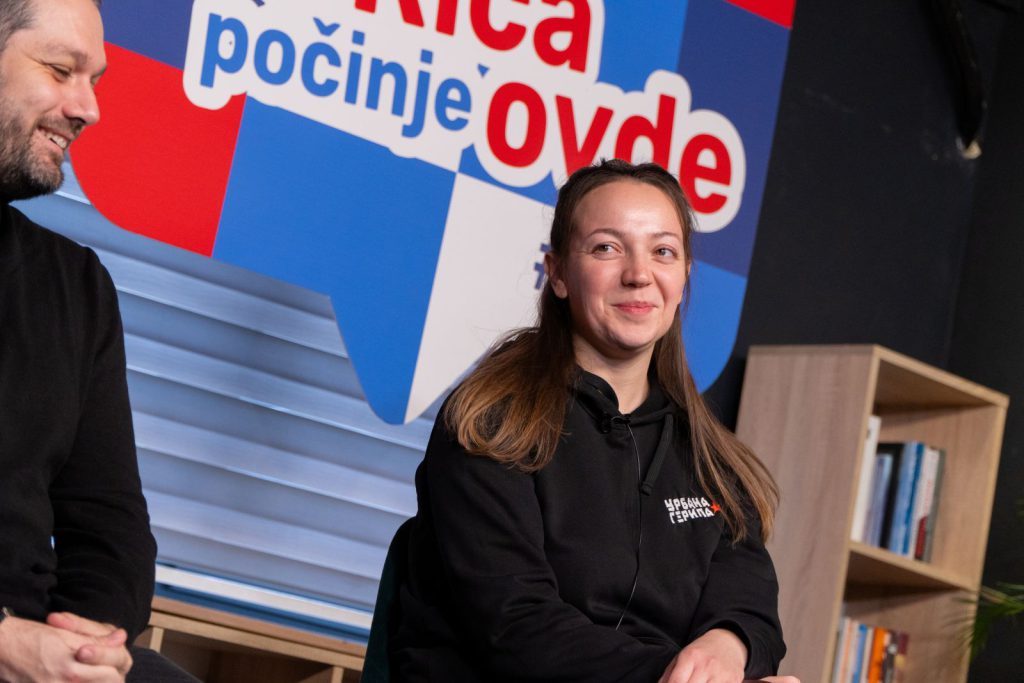
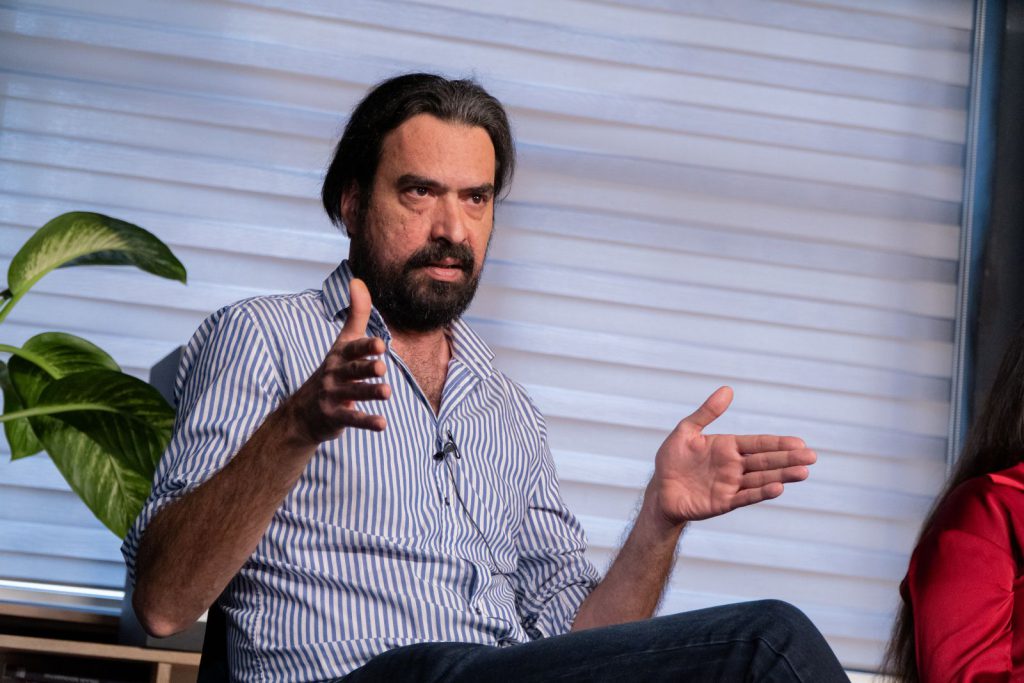
The panel “Creativity and Reality”, moderated by Minja Bogavac, discussed how creativity is becoming the language of social change, but also the limits of that language in public space. Teodora Perić (Urbana guerilla), Ilir Gaši (creative producer), Nemanja Marinović (Zoomer) and Ana Mirkailo (Ujedančene) spoke about art and artivism as tools of resistance, but also about the risks, misinterpretations and challenges that such practices face.
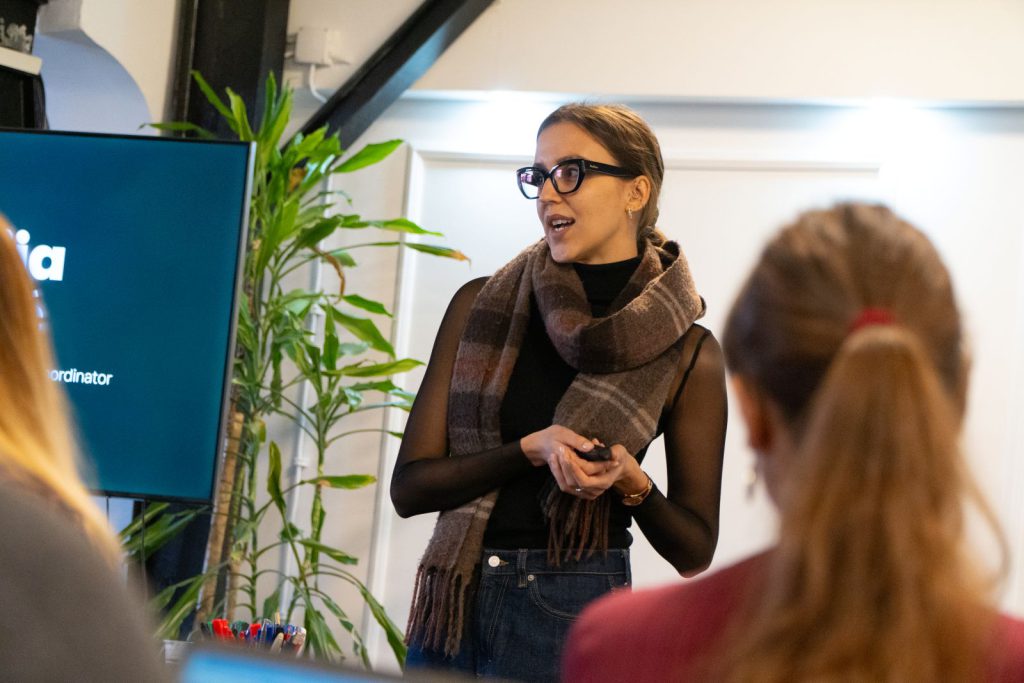
Through the workshop “Transmedia Communication – How to Build Trust“, Andreja Koršič addressed the question of how messages can grow into experiences that connect communities, using the resources that organizations already have. In parallel, Sofija Nikić presented at the workshop “Google Ads Grant for Nonprofits” how digital tools can contribute to greater visibility and gathering support, even for small organizations with limited capacities.
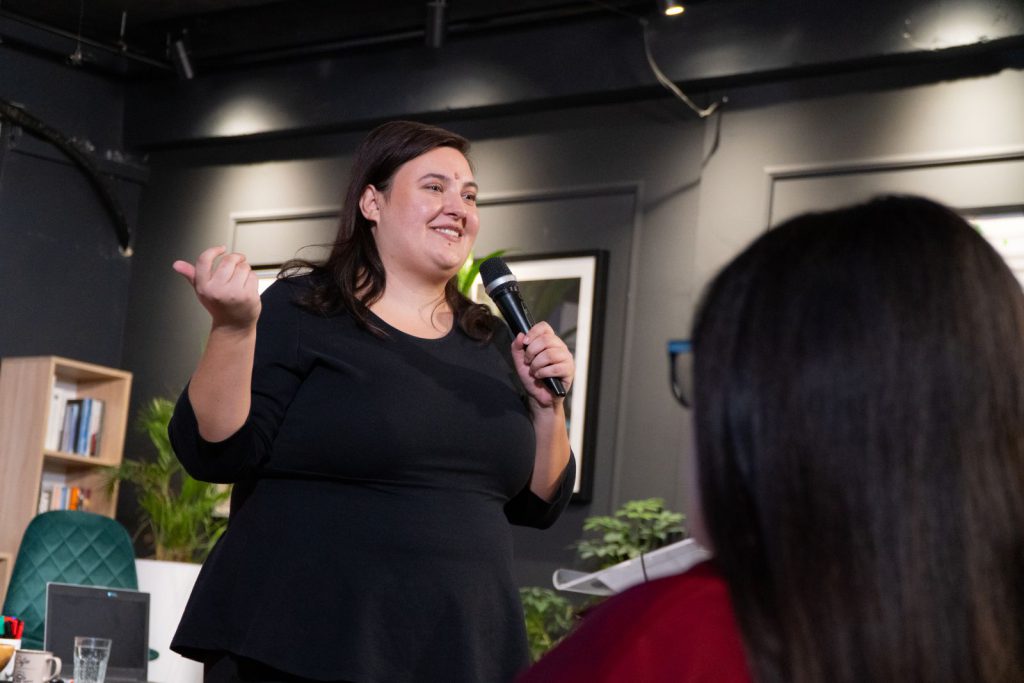
The day ended with the presentation of the PETLJA platform (www.petlja.online), a new digital network designed to connect organizations, initiatives and experts in the field of civil society. The platform was presented by Ema Štefanac from Civic Initiatives, highlighting its potential as a space for knowledge exchange, cooperation and visibility of actors acting in the public interest. With this presentation, PRaćka further opened the space for discussion on digital infrastructure solutions that meet the needs of modern civil society.
Day 2.
The second day of PRaćka was dedicated to data-driven communication, strategic action, and protecting freedom of expression in an increasingly demanding environment.
The masterclass “Data-Driven Communication”, led by Miloš Janković from Catalyst Balkans, focused on how data can become arguments, not mere statistics, and how it is used to strengthen credibility, trust and influence in the public space.
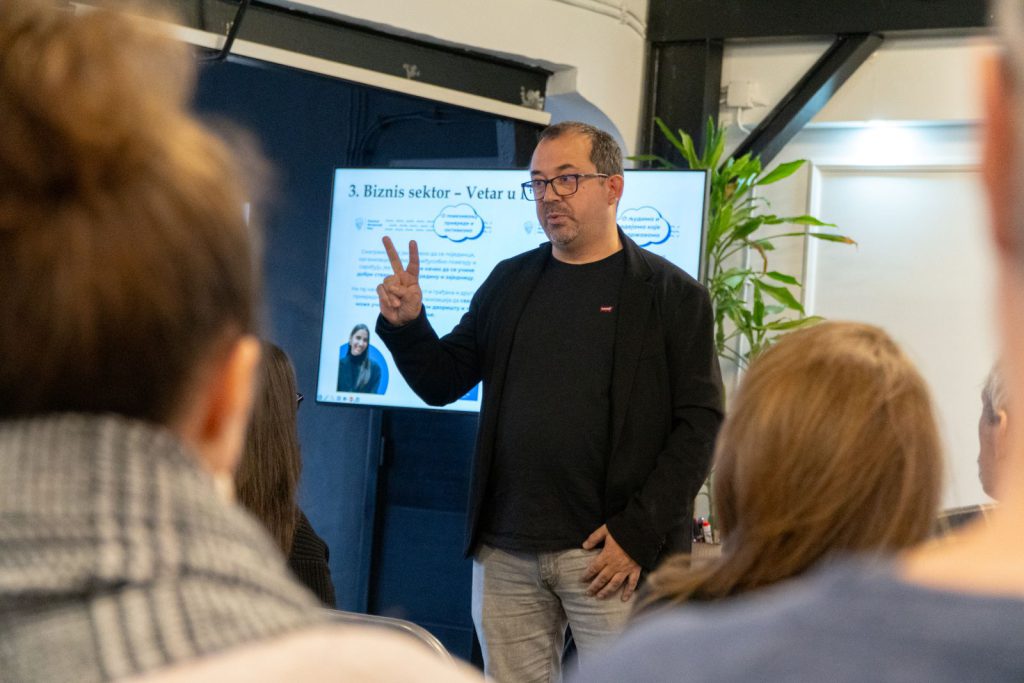
As part of the workshop “Freedom of Expression Under Pressure: How to Recognize and Avoid SLAPP”, Uroš Jovanović spoke about the risks faced by activists and organizations dealing with topics of public interest, such as corruption and abuse. Through practical examples and basic legal guidelines, participants learned how to recognize the elements of potential SLAPP lawsuits, how to formulate public statements and announcements that remain within the framework of freedom of expression protection, and how to avoid the most common legal pitfalls.
The workshop “Indecent Offer: Negotiation and Lobbying Skills”, led by Nenad Stojanović, was dedicated to communication in negotiations with various stakeholders — from partners and donors, to the media and the community. Through a dynamic blend of theory and practice, participants worked on recognizing the right moment for negotiations, understanding the interlocutor and clearly presenting ideas and projects, with a special focus on lobbying skills and strategic presentation.
PRaćka Award for Creative Communication 2025
The second award went to the SHARE Foundation, for the zvuk.labs.rs project, for its exceptionally fast, responsible and transparent collection and processing of data on the use, as reasonably suspected, of acoustic weapons to break up demonstrations at a peaceful protest on March 15 in Belgrade. Through thousands of collected testimonies, precise analysis and clear visualization of data, the SHARE Foundation enabled citizens to have a voice, and the public and media to have reliable information and tools for understanding and accountability.
PRaćka has once again shown that communication in civil society is not a matter of form, but a matter of responsibility and reflection. Through the exchange of experiences, concrete tools, and recognition of good practice examples, the conference confirmed its role as a space where knowledge is shared, alliances are built, and the public interest is defended even when it is most difficult.
In a time of pressure, uncertainty, and attempts at silencing, the message of this year’s PRaćka was clear: when space is narrowing, togetherness must speak louder and smarter.
This year’s PRaćka was implemented with the support of the Swiss Government’s project “Together for an Active Civil Society – ACT”, implemented by Helvetas Swiss Intercooperation and Civic Initiatives. The opinions expressed at the conference do not necessarily represent the opinions of the Swiss Government, Helvetas or Civic Initiatives.
Violation of basic human rights in Serbia November 28 – December 11, 2025
In the week in which the International Human Rights Day is celebrated, civil society in Serbia is “under repression”. This was established by the CIVICUS Monitor International research platform, which lowered the rating of Serbia’s civic space from “obstructed” to “under repression”. This category, the second lowest possible, describes countries where freedoms of expression, assembly and association are severely restricted, and opposition to the authorities can lead to serious consequences, such as violence, prosecution or imprisonment. We witnessed all these and other forms of repression throughout the year. Not even the last weeks of 2025 pass without cases of violation of basic civil liberties and rights.
The authorities continue to spy on activists and political dissidents. BIRN, in cooperation with the SHARE Foundation, discovered that during the detention of four farmers and environmental activists, the BIA installed the NoviSpy spy software into their phones. In addition, farmers who have dared to protest and support the students are being targeted by excessive, selective inspections. Political retaliation against employees in the education sector who supported student protests and demands continues.
A group of masked men with mental bars attacked a Subotica activist after he was returning from a protest.
For more information about these and other cases recorded in the previous period, see the full report below: