

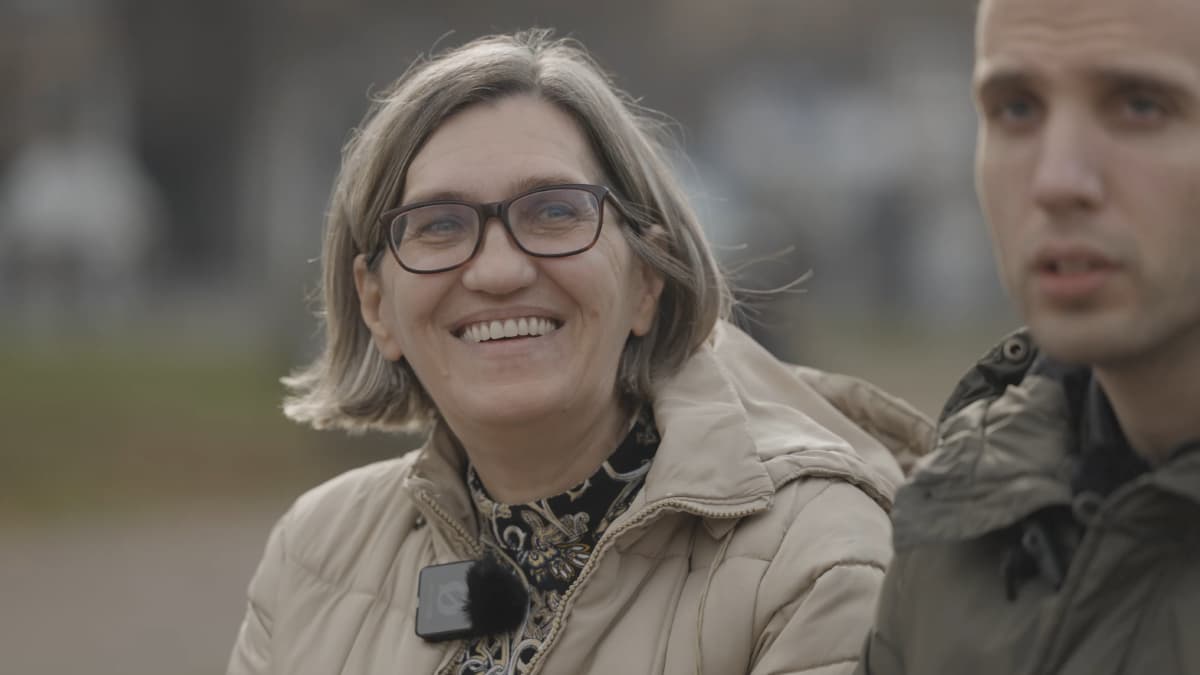
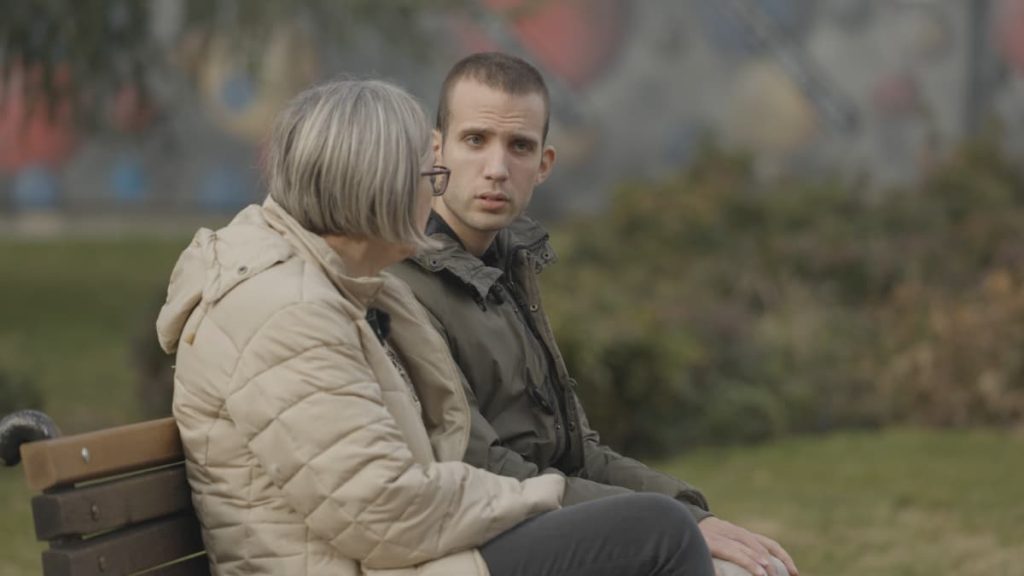
In the new episode of the series Struggle, we meet Snežana Lazarević, the mother of a young man with autism and an activist of the organization MDRI-S – Initiative for the Rights of Persons with Mental Disabilities. Her struggle started out of a personal need: to provide her son Stefan with a dignified and fulfilling life. Over time, that struggle grew into advocating for systemic changes and the rights of all persons with intellectual and mental disabilities in Serbia.
“I didn’t want to choose what was easier for me, but what was better for him,” says Snezhana, talking about the decision for Stefan to attend a regular school, despite prejudices and advice that it would be “easier” for him in a special school. Today, Stefan is not only a member of MDRI-S, but also a blog author and an important voice in the fight for a better understanding of people with autism.
“I was diagnosed with autism at the age of three because I didn’t speak, but I was reading newspapers. I didn’t speak until I was four,” says Stefan. His mom, he says, read books about autism to better understand him. Today, he speaks clearly about what the system must change, but also emphasizes how important clear and precise communication is: “People with autism often do not understand what is expected of them. They need specific instructions and announcements of every change – otherwise they can become anxious.” When asked if he is proud of his mother, he answers simply and honestly: “I am. She worked hard for me.”
Snezana especially warns about the situation of people and children who are housed in social welfare institutions:
“They are there because we in the community are not able to provide them with support and many rights are denied to them in those institutions. They have no right to privacy. They live in rooms with six, eight, ten people they have never met before. They have some group showers, they have toilets without doors. They have to eat when a meal is served, not when they are hungry. They have to ask permission to leave the institution, and some even have to ask permission to go out of the room into the yard of the institution. There are a lot of people and children who are not mobile and who almost never leave their beds, not their rooms”, says Snezana.
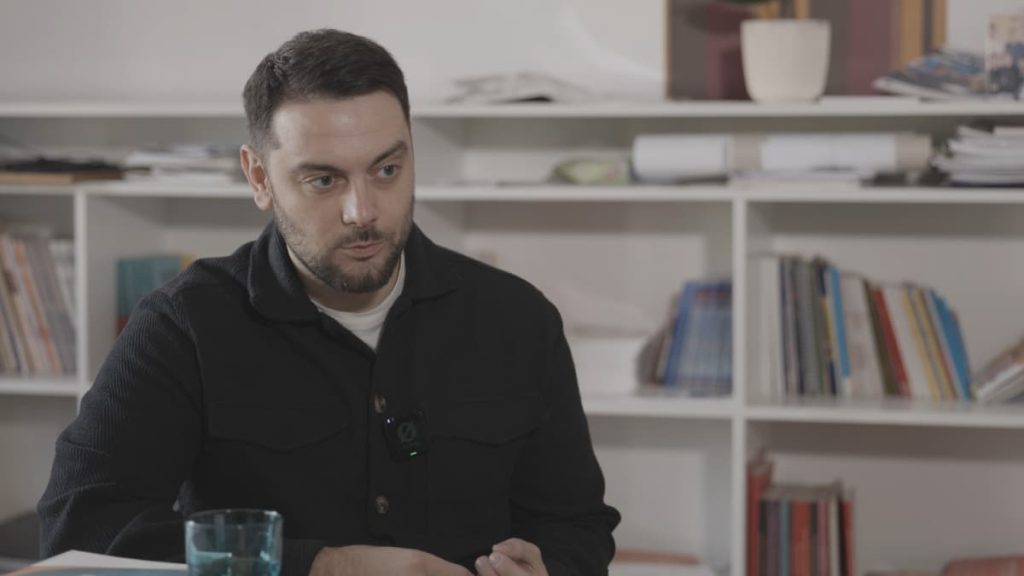
Lazar Stefanović, a member of MDRI-S, developed his commitment to the organization through engagement in the National Mechanism for the Prevention of Torture. He visited the institutions and witnessed first-hand the conditions that deeply shook him. One of the visits to the home for people with disabilities in Sremčica left a huge mark.
“That moment of entering the home, in the circle of the home where you see a dozen children running towards you because they miss the human touch the most”, he says and adds that this is exactly what seals your motive forever – that no child should ever live like that.
Although residential institutions are staffed by professionals who work hard, it is not enough for one child:
“He needs a lot more. He needs a stable figure, either a parent or a foster parent or an adoptive parent. Either way, their stay, their life in a residential institution is definitely something that no child in the world should ever have to experience.”
He adds that MDRI-S primarily deals with changing the legal and strategic framework, which is a process that lasts for years
“These changes are sometimes very painstaking. They can take a very long time and from the point of view of one person who deals with it, the path and the process can be discouraging. Sometimes changes in the law take ten, fifteen or twenty years. Sometimes the law is written and sits in a drawer for five years”, he points out.
Despite the slow pace of change, MDRI-S believes in the power of persistence and collective pressure on the system. “I can’t let go. I hope that with persistence we will achieve greater changes, that someone will hear us and understand that it is nothing complicated to provide support for someone in the community,” Snezana concludes.
 Watch the whole story in the video attachment:
This video was realized with the support of the Swiss Government project “Together for an active civil society – ACT”, implemented by Helvetas Swiss Intercooperation and Civic Initiatives. The opinion expressed in this video does not necessarily represent the opinion of the Government of Switzerland, Helvetas or Civic Initiatives.